July 2, 2026
Buying an Okemo condo can feel simple at first glance. You find a great location, picture winter weekends on the mountain, and start thinking about your offer. But with resort condos, you are not just buying four walls. You are also buying into an association, a budget, a set of rules, and a version of mountain access that can vary by building and season. If you want to make a confident offer, it helps to know exactly what to review before you commit. Let's dive in.
Before you make an offer on an Okemo condo, start with the governing documents. For a resale condo in Vermont, the seller must provide the declaration, bylaws, and association rules or regulations before the transfer of possession, along with a certificate that includes key financial and legal disclosures.
That resale certificate is one of the most important documents in your review. It should show the regular assessments, any unpaid special assessments, other fees, reserve amounts, the current operating budget, pending litigation, insurance coverage, and any restrictions on sale. Under Vermont law, your contract is voidable until that certificate is delivered and for five days after you receive it.
If you are looking at a new-development or declarant sale, the disclosure package is broader. The public offering statement should include financial information, projected budgets and reserves, use restrictions, insurance details, related contracts, title issues, warranties, and other material features of the property.
You can save time and avoid surprises by asking for key records at the start of your review:
Vermont law also requires associations to retain records such as financial statements, tax returns, meeting minutes, current contracts, governing documents, rules, and architectural approval records. Those records are generally available to owners with five days' notice, which makes them useful for deeper due diligence.
A low monthly fee does not always mean a lower ownership cost. Before making an offer, look beyond the headline HOA number and study the association's budget, reserve funding, and assessment history.
Vermont law requires associations to adopt a budget at least annually. Within 30 days of adoption, the board must send owners a summary that includes reserve information and how reserves are calculated and funded. That matters because special assessments can still come later, and emergency special assessments can become effective immediately if approved by a two-thirds board vote.
In plain terms, you want to know not only what you pay now, but what could be coming next. If the association is planning major capital work, has low reserves, or has a pattern of special assessments, that can change the real cost of ownership.
As you review the numbers, ask:
This is especially important in a resort setting, where snow, weather, and heavy seasonal use can affect maintenance needs over time.
Not every condo in the same association carries the same ownership costs. Vermont law allows some expenses to be allocated only to the units that benefit from them, especially for limited common elements.
A limited common element is a portion of the common elements set aside for the exclusive use of one or more, but fewer than all, units. That can include features such as parking, storage, or other shared-use areas tied to specific units.
Because of this, two similar Okemo condos may have different total costs depending on how the declaration assigns expenses. Insurance costs may also be assessed based on risk, and utility costs may be assigned based on usage. It is worth confirming exactly how your unit's share is calculated.
One of the easiest mistakes buyers make is assuming the association handles everything outside the walls and the owner handles everything inside. In Vermont, the association is generally responsible for maintenance, repair, and replacement of the common elements, while the owner is responsible for the unit. But the declaration can shift some of those responsibilities.
That means you should confirm what the documents say about building components, decks, entryways, roofs, windows, utility lines, and limited common elements. In a mountain property, details like snow removal, plowing, access paths, and exterior upkeep can shape both your budget and your day-to-day experience.
Before you submit an offer, make sure you understand who handles:
The answer should come from the declaration and related condo documents, not just a listing description or verbal summary.
Insurance deserves just as much attention as the budget. Vermont requires associations to maintain property insurance on common elements, commercial general liability insurance, and fidelity insurance.
For some condominium buildings, the master property policy may also include the units themselves. But it may not include owner-installed improvements and betterments. That distinction matters if a prior owner upgraded flooring, kitchens, baths, or interior finishes.
You should ask how the master policy and condo documents divide responsibility for interior finishes, improvements, and shared or limited-use areas. It is also smart to ask whether there have been recent claims, concerns about underinsurance, or language that allows certain damage or repairs to be treated as a common expense.
At Okemo, access is part of the value of the property. That is why parking and shuttle details should be reviewed before you make an offer, not after.
According to Okemo resort information, general parking at the Clock Tower area is free, but it is first come, first served and typically fills by about 8:30 a.m. on weekends and holidays. Jackson Gore lots are also free, with shuttle service on weekends and holidays. Lodging guests at Jackson Gore Village Inn receive at least one complimentary parking spot per unit. Owners at Jackson Gore have assigned, heated spots in the underground garage.
Those details can affect how convenient a condo feels in real life. A unit that sounds close to the mountain may function very differently depending on where you park, whether a shuttle is available, and what your specific building allows.
Ask for building-specific information on:
Not every condo marketed around Okemo delivers the same ski access experience. If ski-in or ski-out convenience is a major reason you are buying, verify exactly how that access works in practice.
Okemo notes that use of resort terrain during non-operational hours is at the user's own risk. Grooming, snowmaking, snowmobiles, and other mountain operations may occur after hours, and ski patrol is not available after resort operating hours.
That means your route to and from the condo may depend on operating hours, mountain conditions, and resort schedules. Before making an offer, confirm the actual access path, whether it is direct or shuttle-based, and how it functions during the operating season.
If rental income is part of your plan, do not assume a condo can be rented the way you want. Vermont allows associations to adopt reasonable rules affecting use, behavior, occupancy, and some leasing restrictions.
That means your review should include any rental caps, minimum lease terms, occupancy limits, or other restrictions in the declaration, bylaws, or association rules. In addition to condo documents, buyers should also review Ludlow's current ordinances and planning or zoning materials when rental use is a factor.
For investor-minded buyers and seasonal owners, this step is essential. A condo that looks strong on paper may work very differently once you account for association rules and local requirements.
The strongest condo offers are informed offers. Once you have reviewed the documents, budget, reserves, insurance, parking, access, and rental rules, you can make a more accurate decision about price, timing, and risk.
In some cases, what you learn may support moving forward quickly. In others, it may lead you to ask more questions, adjust your offer terms, or keep looking for a better fit. Either outcome is valuable because it helps you buy with clarity.
At Okemo, details matter. A condo can be a great lifestyle purchase, a practical seasonal home, or a smart rental-holding property, but only if the association structure and resort logistics match your goals.
If you are thinking about buying in the Okemo Valley, working with a local team can help you spot issues early and compare options with confidence. Connect with Mary W Davis Realtor® & Associates for experienced guidance on Okemo condos and resort property opportunities.
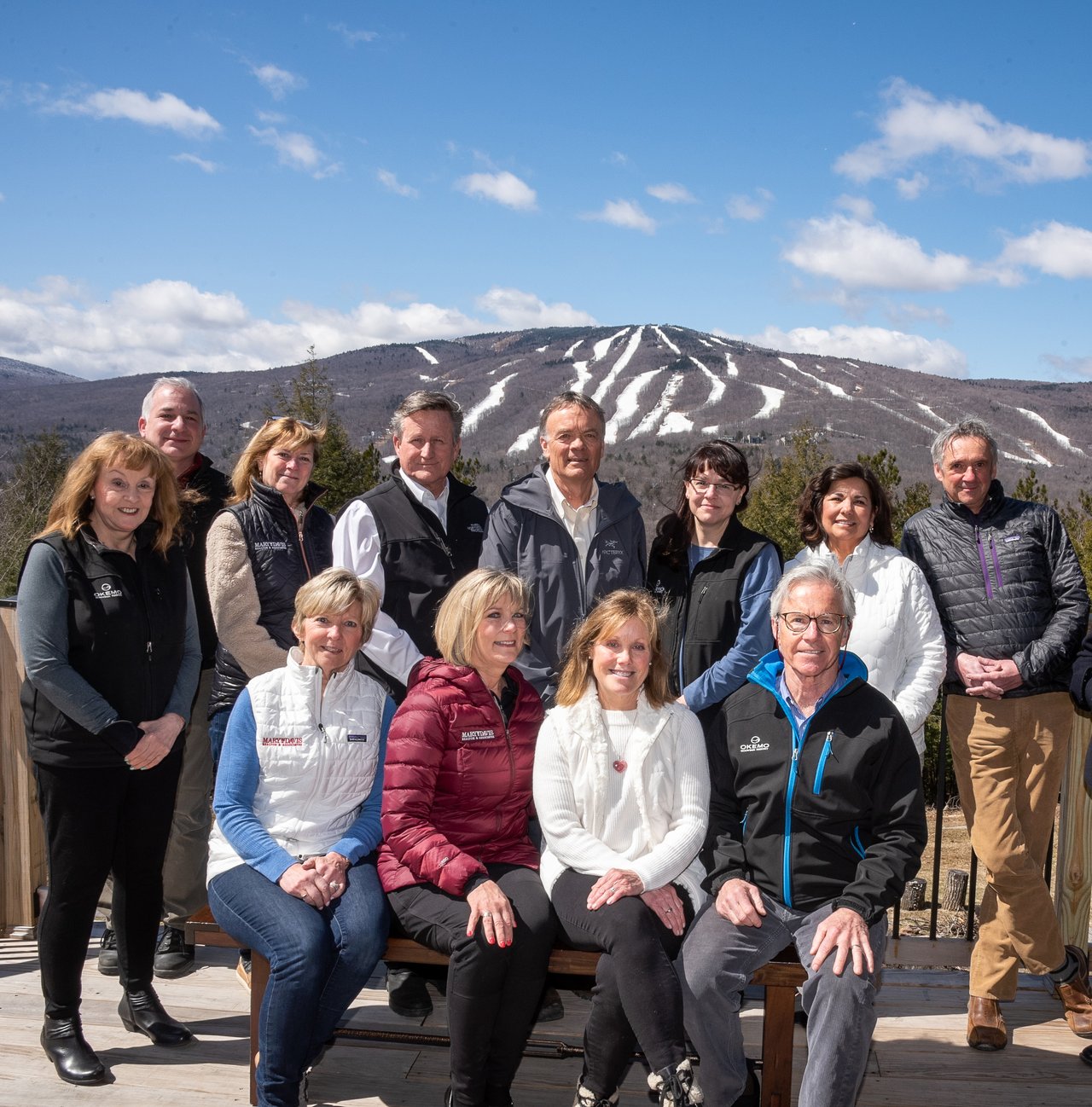
We are the Okemo Valley's leading real estate source. Our talented sales team is knowledgeable about the local real estate market. We take great pride in working closely with buyers and sellers - providing a wealth of knowledge, guidance and support throughout the process.

Okemo Valley Real Estate

We pride ourselves in providing personalized solutions that bring our clients closer to their dream properties and enhance their long-term wealth. Contact us today to find out how we can be of assistance to you!

MARY W DAVIS REALTOR® & ASSOCIATES
213 Main St Ste 3 Ludlow VT 05149