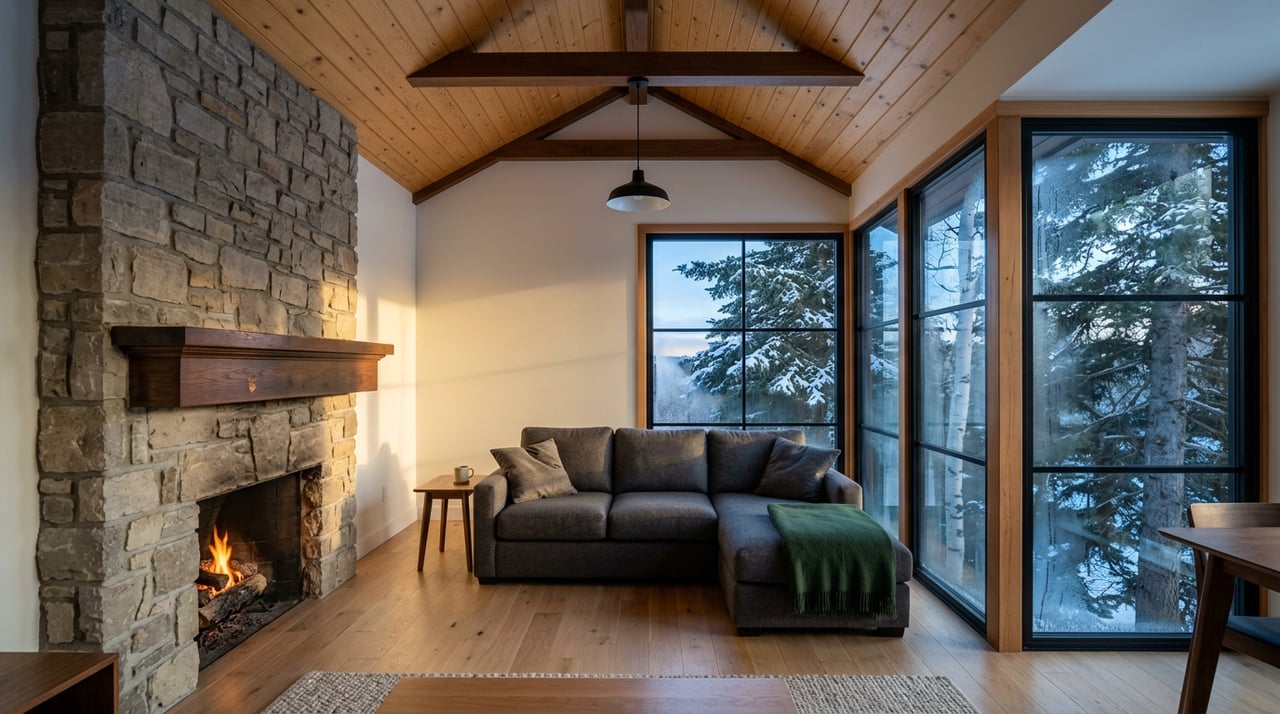
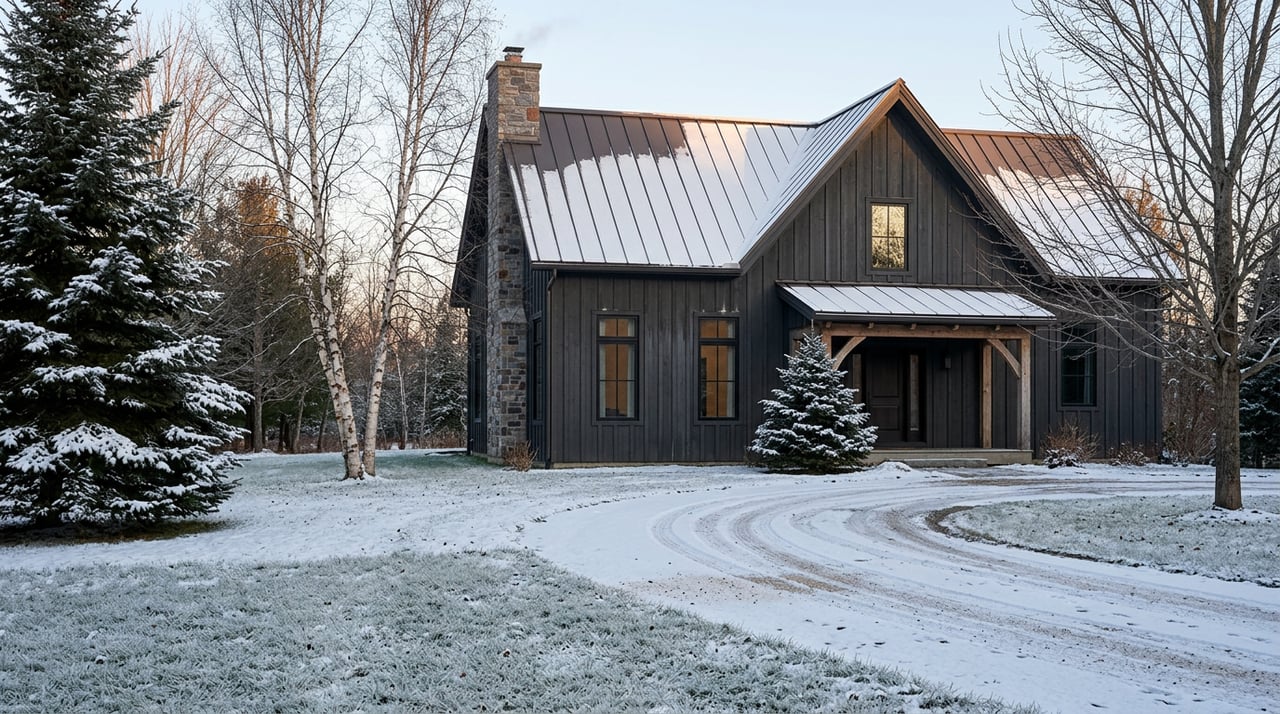
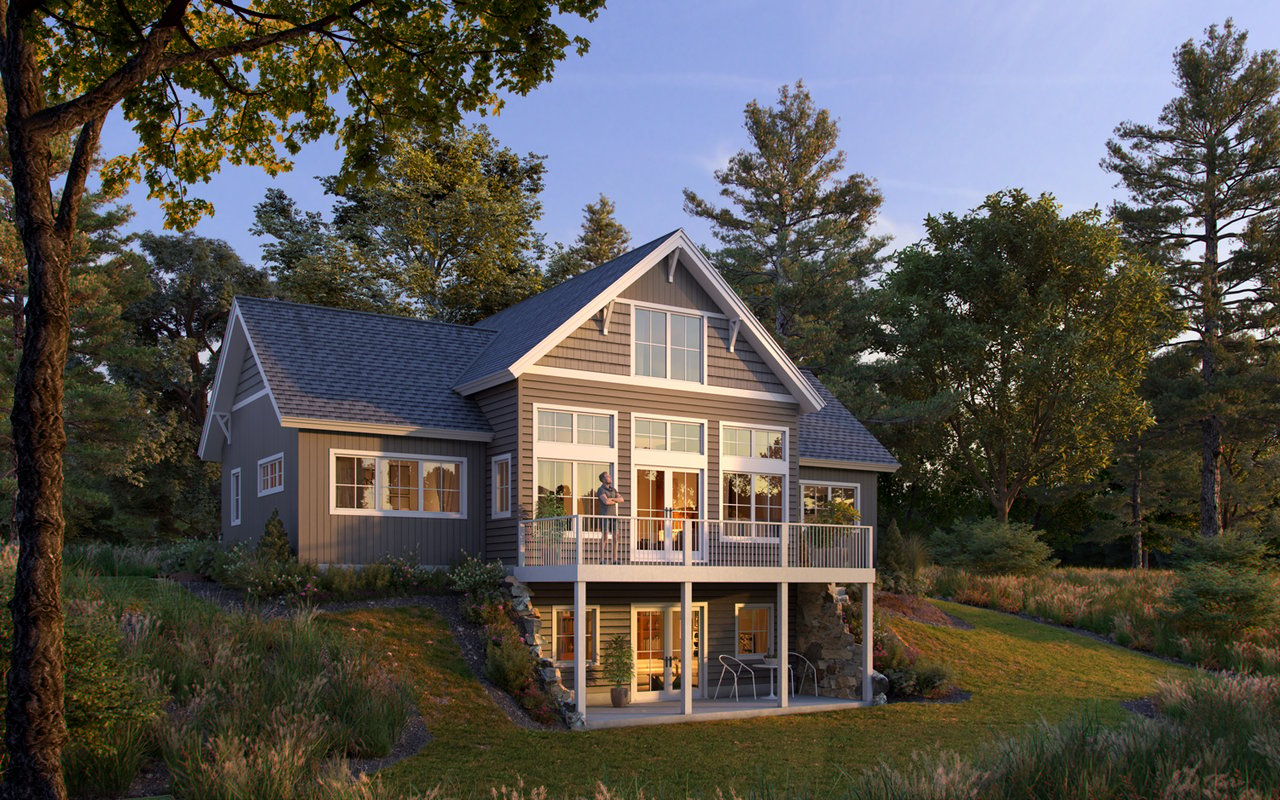
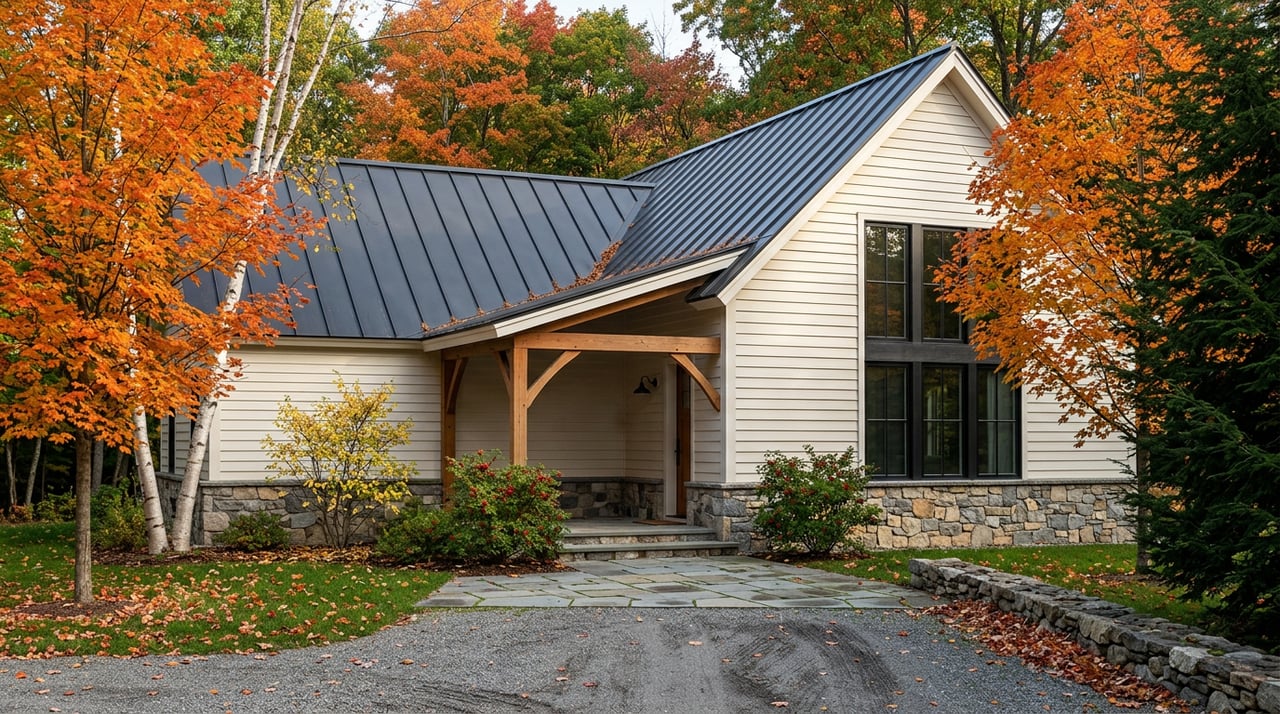
Thinking about turning your Ludlow getaway into a seasonal rental? You’re not alone. With Okemo Mountain drawing winter crowds and the valley buzzing through fall and summer, the right property in 05149 can deliver both lifestyle and income. In this guide, you’ll learn how Ludlow’s seasonality works, what rules and taxes apply, how to set up a winter-ready operation, and how to budget with confidence. Let’s dive in.
Why Ludlow seasonal rentals work
Ludlow sits in the heart of Vermont’s Okemo Valley, and its rental demand follows the mountain. Understanding the rhythm of the year is your first step to a smart strategy.
Winter ski season
Winter is the primary driver. Okemo-focused visitors book long weekends and weekly stays, especially around school breaks, holidays, and powder days. This is when you can capture a large share of annual revenue with higher average daily rates.
Fall foliage
Leaf-peeping brings steady weekend traffic. Shorter stays are common, and thoughtful pricing can fill gaps between larger fall events.
Summer and shoulder seasons
Summer brings hiking, biking, lakes, and regional travel. Demand is softer than winter but helps smooth cash flow. Summer and late spring can be ideal times to attract families and return guests.
Start with due diligence
Before you buy or list, verify the rules and logistics for your specific property in 05149.
- Confirm zoning and use: Check with the Town of Ludlow zoning and planning offices to verify that short-term rentals are permitted for the parcel and use type.
- Review HOA or condo rules: Many resort-area condos have bylaws governing rental length, registration, parking, and guest access.
- Assess winter performance: Inspect heating systems, insulation, roof, eaves, gutters, and plumbing. Ask for utility histories, especially winter fuel costs.
- Understand septic and water: If the property uses septic or a private well, make sure it meets state and local requirements for expected guest occupancy.
- Gather operating data: Request snow removal and maintenance invoices, and talk with neighbors or vendors about realistic seasonal costs.
Rules, taxes, and compliance
Every successful seasonal rental starts with compliance. Vermont and local agencies regulate different parts of the operation.
- State tax registration: Short-term rental owners typically register with the Vermont Department of Taxes and collect and remit applicable lodging taxes.
- Local requirements: Some municipalities adopt local option taxes or additional rules. Confirm with the Town of Ludlow and the town clerk’s office.
- Safety and building codes: Smoke and CO detectors, egress, and occupancy limits may apply. The local fire department can advise on inspections and safety standards.
- Septic and wastewater: Follow guidance from the Vermont Agency of Natural Resources to ensure the system can support guest turnover.
- HOA and condo compliance: Many associations require registration, minimum stays, proof of insurance, or specific guest policies.
Regulations can change. Always verify current requirements with town offices and state agencies before you market your property.
Winter-ready operations
Cold, snow, and ice shape lodging in a ski town. Plan for winter from day one.
- Heat and plumbing: Service boilers and furnaces, add smart thermostats, and prepare a freeze protection plan. Consider pipe insulation and a process for winter shut-offs if needed.
- Snow and access: Contract snow removal early for driveways, walkways, and steps. Provide de-icing supplies and clear instructions for winter driving and parking.
- Safety and lighting: Maintain exterior lighting and slip-resistant entries. Confirm handrails and stairs are in good condition.
- Guest comfort: Offer ski storage, a mudroom area, boot trays, laundry access, and reliable Wi-Fi. Clear arrival instructions reduce calls and improve reviews.
Turnover and staffing
Winter turnovers can be intense. Mud, sand, and salt add time, and laundry cycles run longer.
- Build a local team: Line up cleaning, linen services, snow removal, and an on-call plumber and electrician.
- Create a backup plan: Have a 24-7 contact for emergencies, plus alternate vendors in case of storms.
- Document house rules: Spell out parking, noise, maximum occupancy, pets, and party policies. Remind guests to respect local ordinances.
Pricing and booking strategy
A seasonal pricing plan helps you capture peak value while staying booked in shoulder months.
- Calendar strategy: Set weekly minimums during peak ski weeks and shorter minimums in fall and summer. Adjust for holiday periods and school vacations.
- Dynamic pricing: Consider tools or a manager who can adjust rates with demand. Be transparent about fees and taxes.
- Positioning: Use professional photos and clear descriptions that highlight winter access, parking, proximity to Okemo, and family-friendly layouts.
- Guest retention: Encourage return stays with midweek discounts in winter or value weeks in summer.
Insurance and risk management
Standard homeowners policies often exclude short-term rental exposure. Protect yourself and your guests.
- STR coverage: Ask insurers about short-term rental endorsements or dedicated STR policies with appropriate liability limits.
- Platform protection: Host guarantees from booking platforms are not a substitute for insurance. Treat them as supplemental.
- Security and privacy: Use smart locks or keypad entry. If you install cameras, place them only in permitted exterior areas and disclose their presence in your listing and house rules.
Budgeting for Ludlow
Plan your pro forma around the reality of Okemo-driven seasonality.
- Revenue modeling: Estimate occupancy and average daily rates using local comps from short-term rental data providers. Expect winter to account for a significant share of annual income.
- Operating costs: Include heating and utilities, snow removal, internet/TV, cleaning and linen, property management fees, maintenance and repairs, HOA dues, supplies, and reserves for capital items.
- Taxes and filings: Budget for state lodging taxes and any local option taxes, plus accounting help.
- Sensitivity analysis: Model best, expected, and conservative scenarios for occupancy and rates. Include allowances for higher winter heating and snow-related costs.
Condo vs. single-family near Okemo
Your property type influences operations, costs, and guest experience.
- Condos: Often closer to lifts or shuttle routes, with shared maintenance and defined HOA rules. They can simplify snow removal and landscaping but may limit rental terms or require extra documentation.
- Single-family homes: More space and privacy, plus dedicated parking and storage. Expect more hands-on winter operations and potentially higher heating and snow budgets.
Guest experience basics
Positive reviews build future bookings and stabilize revenue.
- Clear communication: Send detailed check-in instructions, driving tips for winter roads, and parking reminders.
- Local guides: Provide a digital or printed guide with restaurant ideas, gear shops, trail maps, and family activities.
- House setup: Stock starter supplies, label thermostats and switches, and post simple instructions for fireplaces, hot tubs, or specialty systems.
Your action plan
Use this simple framework to move from idea to launch.
- Verify use: Confirm zoning permission for short-term rentals and review HOA bylaws for the property.
- Inspect for winter: Evaluate heating, insulation, roof, and plumbing. Review septic capacity and service history.
- Build your team: Contract cleaning, snow removal, and emergency vendors. Decide on self-managing or hiring a local property manager.
- Set pricing and policies: Define minimum stays, rates by season, taxes, and house rules. Prepare your guest guide and checklists.
- Insure and register: Secure STR insurance and complete any required tax registrations and filings with state and town offices.
- Launch with polish: Use professional photography and a clear, honest listing that highlights winter access and Okemo proximity.
Local resources to know
For current, property-specific requirements and planning, contact:
- Town of Ludlow Zoning and Planning, and the Town Clerk
- Vermont Department of Taxes for lodging tax registration and filing
- Vermont Agency of Natural Resources for septic and wastewater guidance
- Local fire department for safety standards and inspections
- Vermont Secretary of State for business entity registration if you plan to form an LLC
- Short-term rental data providers for Ludlow and Okemo-area benchmarking
Partner with a local expert
Ski towns are unique. Seasonality, snow, septic, and HOA rules all shape your results. A trusted local partner can help you select the right property, interpret association bylaws, price for peak weeks, and line up reliable vendors before the first storm hits. With deep roots in the Okemo Valley since 1958, our team combines local knowledge with professional marketing and rental know-how to help you make confident decisions.
Ready to explore seasonal rental opportunities in 05149? Talk with Mary W Davis Realtor® & Associates to map your path from search to successful launch.
FAQs
How seasonal is rental demand in Ludlow?
- Winter tied to Okemo Mountain is the strongest period, with added spikes during holidays and school vacations. Fall foliage brings weekend stays, while summer is moderate but steady for outdoor recreation.
Are short-term rentals allowed at my specific property in 05149?
- It depends on zoning, parcel-specific rules, and any HOA bylaws. Confirm with the Town of Ludlow and review association documents before you purchase or list.
What taxes apply to a Vermont seasonal rental?
- Short-term rental income is taxable, and owners typically must register and remit applicable lodging taxes through the Vermont Department of Taxes. Consult a CPA for reporting and recordkeeping.
What winter amenities do guests expect near Okemo?
- Reliable heat, smart entry, ski storage, a mudroom area, laundry, strong Wi-Fi, clear parking, de-icing supplies, and detailed winter driving and check-in instructions.
How should I set minimum stays and pricing for peak weeks?
- Many owners require weekly stays during prime ski periods, then shift to 2-3 night minimums in shoulder seasons. Adjust rates for holidays and school breaks, and review local comps for guidance.
Do I need a property manager to operate in Ludlow?
- You can self-manage with a strong local vendor network and 24-7 coverage, but many owners hire a property manager for winter turnovers, emergency response, and pricing expertise.