February 5, 2026
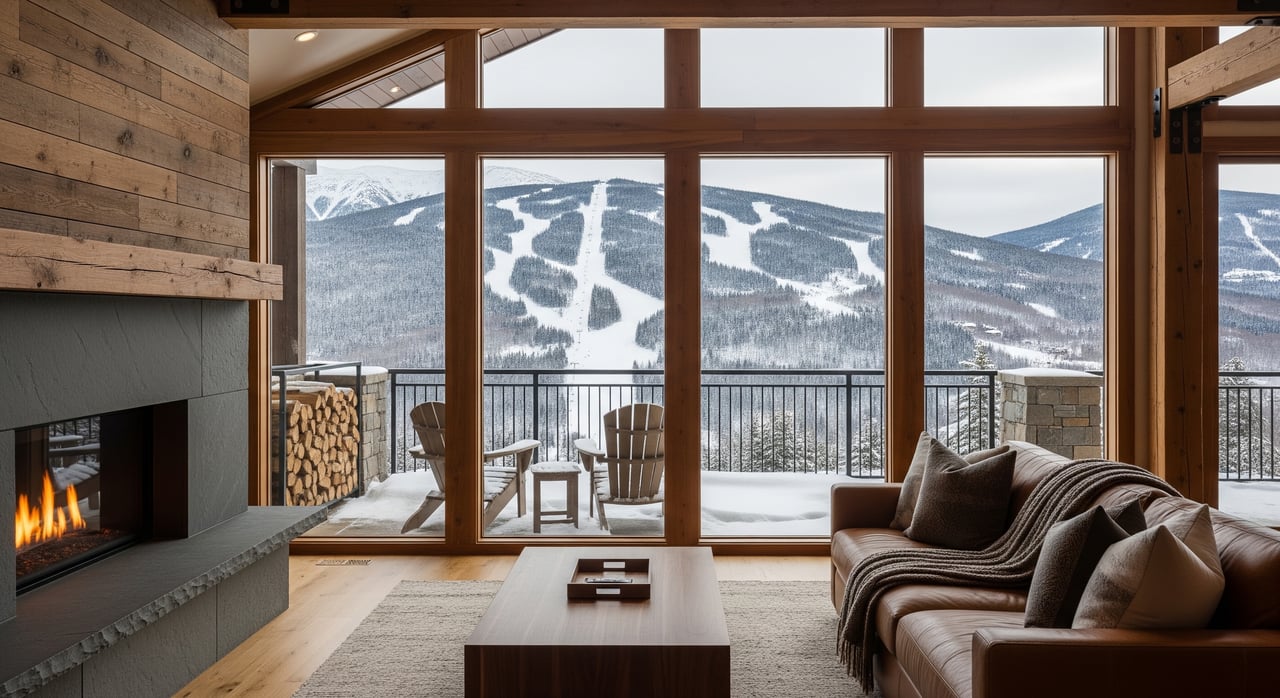
Dreaming of a ski-in day and a hot cocoa night at your own Okemo condo, or already own one and want fewer surprises from the HOA? You are not alone. In resort communities like Ludlow’s Okemo Mountain, the homeowners association often shapes your costs, convenience, and resale value as much as the floor plan. This guide walks you through how condo HOAs work here, what dues usually cover, how amenities and rental rules affect you, and the documents and questions that protect your investment. Let’s dive in.
Condominium associations manage the shared property where you live. They enforce the governing documents, collect assessments, maintain common areas, and carry master insurance for buildings and grounds. Some communities are run by volunteer boards, others hire a professional manager, and many use a blend of both.
Expect a package that includes:
Meeting minutes are a helpful window into upcoming projects, policy changes, and owner concerns. Read the last 12 to 24 months to spot patterns before you buy or refinance.
Most associations hold annual owner meetings and regular board meetings. Votes follow the bylaws, and larger changes can require owner approval. Ask how owners are notified, how often financials are produced, and who handles day-to-day maintenance. Clear processes usually lead to smoother operations and fewer surprises.
Some loans require the condo project to meet specific criteria or be on an approved list. This can include FHA, VA, and conventional mortgages backed by Fannie Mae or Freddie Mac. Approval status can affect buyer financing and future refinancing, which also influences marketability. If you need a particular loan type, confirm the project’s status early in your search.
Monthly assessments fund the operation and long-term upkeep of the property. What you receive varies by community, building type, and amenities.
Dues often cover:
Amenities and staffing drive costs. Elevators, heated garages, pools, and full-time services increase operating budgets and reserves, which raises dues.
A reserve fund pays for major replacements like roofs, boilers, paving, and elevators. A recent reserve study or capital plan helps forecast when these items will need attention and how they will be funded. If reserves are thin or there is no current study, the risk of special assessments increases.
Before you commit, review:
Special assessments are one-time charges when reserves and operating funds fall short. Ask about assessment history, what is pending, and what may be proposed over the next 1 to 5 years.
Associations carry a master property and liability policy that typically covers common elements and building shells. You will carry an HO-6 condo policy for interior finishes, personal property, and loss assessment coverage. Pay close attention to the master policy deductible and coverage type. High deductibles can lead to out-of-pocket owner assessments after a claim.
Resort features can shape both your lifestyle and your budget. Weigh the benefits alongside long-term costs.
You will see slope-side access or shuttles, heated garages, ski and bike storage, hot tubs and pools, fitness rooms, and sometimes concierge or front desk service. Amenities that boost convenience and rental potential also increase maintenance and staffing needs. Expect higher dues where there are elevators, indoor common areas, or year-round services.
Many Okemo-area associations regulate rentals through minimum stay rules, registration, or approved management programs. Some communities support in-house rental desks and revenue sharing. Rental intensity can affect insurance, financing eligibility, and the owner-occupancy profile. If you plan to rent, confirm the rules, any required agreements, and how rental percentages might affect lending for you or future buyers.
Snow season brings specific needs. Verify assigned and guest parking, overflow options during busy weekends, and how snow removal is handled. Ask about ski and equipment storage rules, trash schedules, pet policies, and any restrictions on exterior modifications or grills. Clear rules reduce conflict and help you plan your use.
Before you finalize a contract, request and review:
Key questions to ask:
If you are refinancing or preparing to sell, get ahead of documentation requests. Lenders and buyers will ask for association financials, insurance details, and confirmation of assessment status. Ordering an estoppel or resale certificate early can keep your timeline on track.
Watch for and, if possible, resolve items that can stall a transaction:
Winter conditions demand robust plans for snow removal, roof loading, and ice dam mitigation. Confirm how your association handles routine and emergency winter work and how it is funded. Ask about stormwater, road maintenance agreements, and whether the property uses municipal services or septic, since these can affect long-term costs.
Short-term rental demand peaks during ski season, with additional traffic from summer trails and fall foliage. If you plan to rent, verify the latest local and state requirements, including lodging or rooms taxes and any registration rules in Ludlow or Windsor County. Build these obligations into your projections and calendar.
You deserve a clear path from questions to confident ownership. With deep roots in the Okemo Valley, we help you identify the right community fit, gather and review key documents, coordinate with local managers, and align your plans with HOA rules and seasonal realities. If rental income is part of your strategy, we can connect you with trusted rental management resources and help you understand how amenities, rules, and fees shape returns.
Ready to move forward with clarity? Connect with the local team that has guided Okemo buyers and owners for generations. Talk to Mary W Davis Realtor® & Associates.
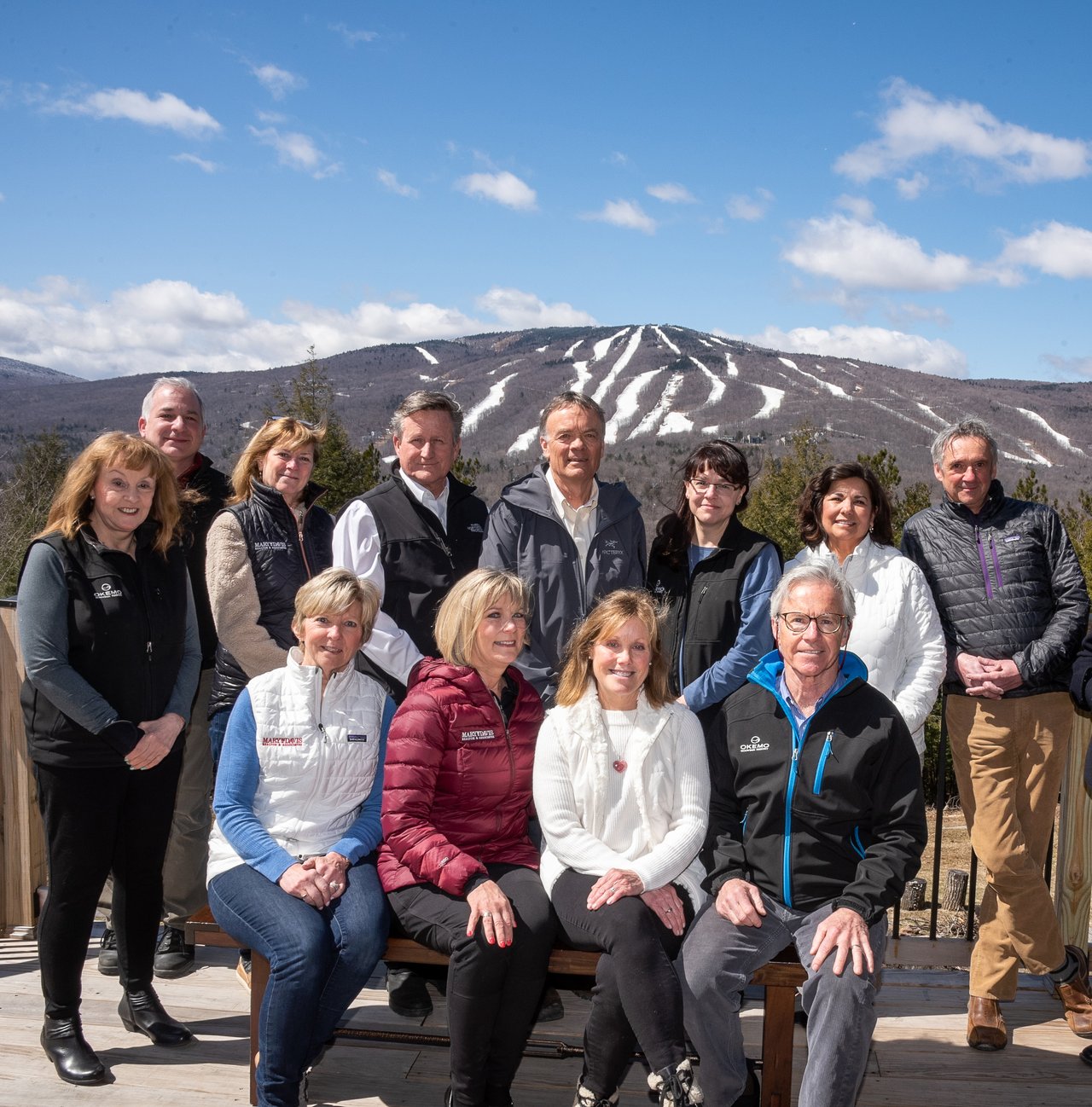
We are the Okemo Valley's leading real estate source. Our talented sales team is knowledgeable about the local real estate market. We take great pride in working closely with buyers and sellers - providing a wealth of knowledge, guidance and support throughout the process.

Okemo Valley Real Estate

We pride ourselves in providing personalized solutions that bring our clients closer to their dream properties and enhance their long-term wealth. Contact us today to find out how we can be of assistance to you!

MARY W DAVIS REALTOR® & ASSOCIATES
213 Main St Ste 3 Ludlow VT 05149