
November 27, 2025
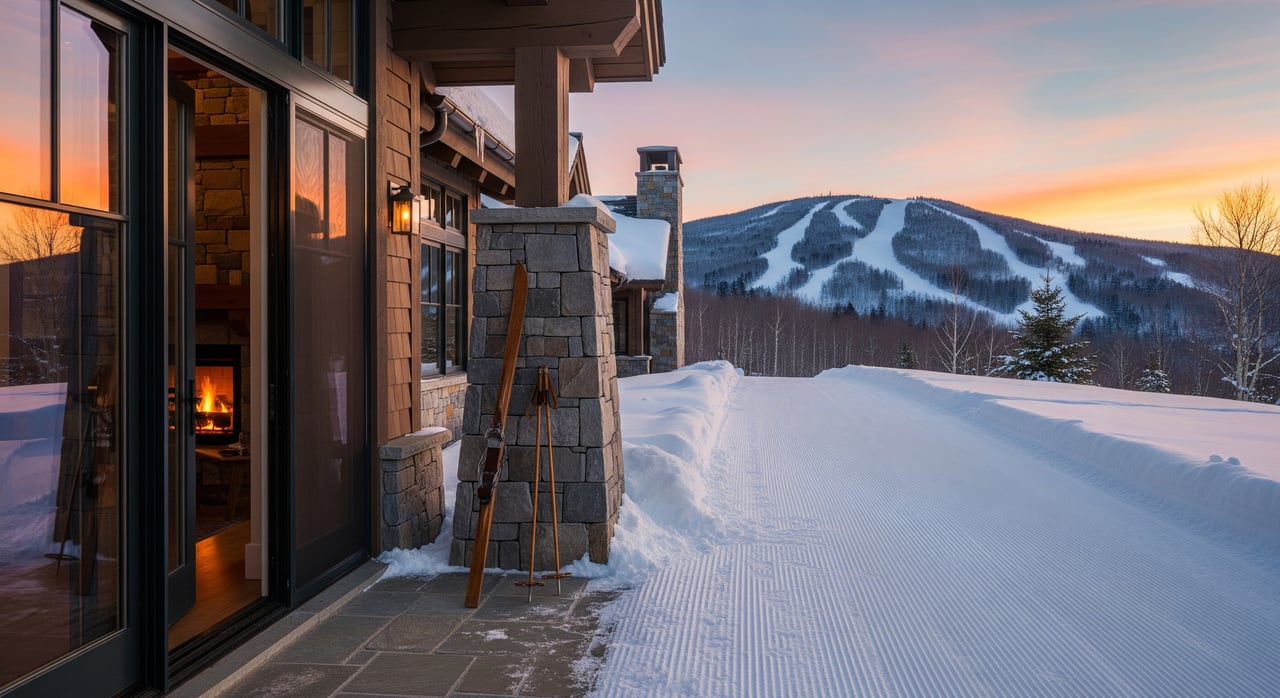
Ever wondered what “ski-in/ski-out” really means at Okemo? If you picture clicking into your skis at the door and gliding to a lift, you’re not alone. The term gets used a lot, but the reality can vary from direct trailside access to a short walk with your boots on. In this guide, you’ll learn how ski access works at Okemo, what to verify before you buy, and how to describe it clearly if you plan to sell. Let’s dive in.
At its core, ski-in/ski-out means you can reach on-mountain skiing from your property and return at day’s end without a vehicle. It should be direct, safe, and reasonably convenient access to a trail, lift, or groomed connector. That convenience is the appeal: fewer logistics, easy mid-day breaks, and no hauling gear to a parking lot.
There are important gradations to know. These differences affect price, rental appeal, and how your daily routine feels in winter. Understanding them helps you set the right expectations and avoid surprises.
True ski-in/ski-out. You can step out, click in, and use a maintained trail or connector that leads to lift-served terrain. You do not cross roads or take long walks. Some properties have recorded ski easements or groomed private corridors.
Ski-accessible or ski-on-easy. You reach the trail or lift by a short walk, a brief flat stretch, or a quick crossing of a quiet road. Many listings market this as SI/SO, but you may take skis off or walk a little.
Ski-near or ski-friendly. You are very close to lifts or a base area, often with a shuttle option. It is convenient, but it is not ski-in/ski-out by a strict definition.
Key takeaway: the exact access level shapes day-to-day convenience, resale value, and rental interest. Ask for details in writing and confirm them in winter conditions.
Okemo Mountain Resort is a multi-base-area mountain with groomed trails, modern lifts, and lodging clusters. The most recognized on-mountain area is Jackson Gore, though other trailside condo and townhouse complexes exist. Ski-in/ski-out opportunities tend to concentrate where maintained trails, connectors, and village infrastructure meet.
Snowmaking and grooming at Okemo are robust, which supports reliable access across much of the season. That said, access still depends on which lifts and trails are open during your stay. Early and late season operations, weather, and maintenance schedules can all affect how direct your route feels on a given day.
Some ski paths cross shared or private corridors. In those cases, ongoing maintenance, signage, and grooming may be handled by an association or by agreement with neighbors. You should verify who maintains these areas and when.
Before you rely on a listing's ski-in/ski-out claim, check the details that matter most in winter. For a broader overview of the purchasing process, our guide to buying a home in Ludlow VT covers the full picture.
How you describe ski access can reduce disputes and build buyer trust. For a complete walkthrough on positioning your home, see our ultimate guide to selling in Ludlow VT.
Ski-in/ski-out typically trades at a premium over similar properties farther from lifts. At Okemo, that premium varies with proximity, unit size, amenities like parking and storage, and the overall supply of trailside options. Instead of assuming a fixed percentage, rely on local comps, recent trailside sales, and an appraiser experienced with resort properties.
Rental appeal is another reason buyers value SI/SO. Being close to lifts usually improves occupancy potential, but actual income depends on the property's condition, size, marketing, HOA rules, and traveler demand patterns. If you are considering the rental side, our guide to owning a seasonal rental in Ludlow covers what to expect. If renting is part of your plan, confirm any short-term rental policies, required permits, and lodging tax obligations at the state and town levels.
Operating costs can be higher for on-mountain properties. Expect increased snow management, exterior wear from freeze-thaw cycles, and possibly higher HOA assessments tied to mountain infrastructure. Review HOA budgets and reserve studies to understand near-term and long-term costs.
Okemo's strong snowmaking and grooming help keep access consistent across a long season. Even so, your day-to-day convenience will reflect lift schedules, trail openings, and weather. If a connector or lower trail is closed, your route may involve more walking or a different path. For a deeper look at how timing affects the market, see how seasonality shapes Okemo Valley real estate.
Ask your agent to help you monitor operating updates during your diligence period. If you are renting the property, plan your guest communications around expected lift schedules and early or late season variability.
Use this simple checklist when you tour a property during winter conditions or review winter media:
When you get serious about a property, request documents that spell out your rights and responsibilities:
Use these questions with the listing agent, seller, or HOA to confirm the fine print:
Many trailside areas at Okemo offer summer perks like hiking connections and easy mountain access. While winter access is the focus for SI/SO value, a property that feels great in both seasons often attracts a wider audience of buyers and renters. If you plan to use or rent the home year-round, factor in parking, storage, and outdoor spaces for all-season enjoyment.
If you want the shortest path from your coffee mug to your first chair, prioritize true ski-in/ski-out with a groomed connector and clear easements. If you are comfortable with a short walk or a quiet road crossing, you can often find more options at a different price point. In every case, confirm the winter route, the documents that support it, and the operating details that make it work.
When you are ready to explore properties, a local partner who knows the mountain, the HOAs, and the seasonal patterns can save you time and prevent missteps. That is the difference between a listing that looks convenient on paper and one that delivers the trailside experience you expect.
Ready to see what ski-in/ski-out looks like for your lifestyle and budget in Ludlow? Talk with the team that has guided Okemo buyers and sellers for generations. Connect with Mary W Davis Realtor® & Associates to get started.
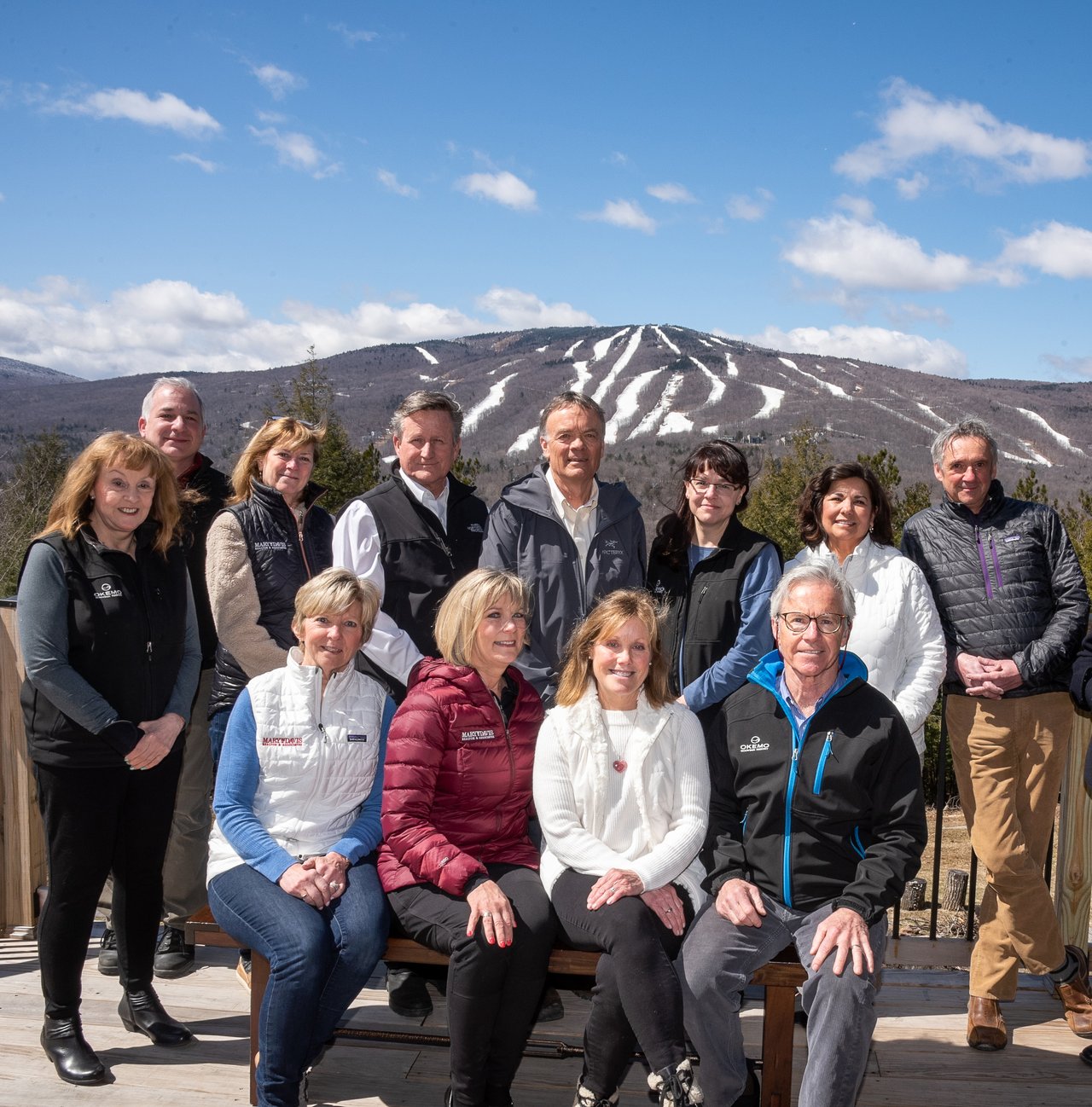
We are the Okemo Valley's leading real estate source. Our talented sales team is knowledgeable about the local real estate market. We take great pride in working closely with buyers and sellers - providing a wealth of knowledge, guidance and support throughout the process.

Okemo Valley Real Estate

We pride ourselves in providing personalized solutions that bring our clients closer to their dream properties and enhance their long-term wealth. Contact us today to find out how we can be of assistance to you!

MARY W DAVIS REALTOR® & ASSOCIATES
213 Main St Ste 3 Ludlow VT 05149