January 22, 2026

Thinking about buying a condotel at Okemo but unsure how the financing works? You are not alone. Resort-managed condos can be fantastic for lifestyle and rental potential, yet the loan process feels different from a typical condo. In this guide, you will learn how condotels at Okemo are structured, which loan types are common, what lenders scrutinize, and the exact questions to ask so you can move forward with clarity. Let’s dive in.
A condotel is a condominium inside a resort-hotel style property that you own outright. You can enjoy it for personal use part-time and often place it in an on-site, short-term rental program when you are not there. At Okemo, many village neighborhoods and Jackson Gore buildings operate this way.
Not every condo near Okemo is a condotel. The label depends on the building’s governing documents and how the association or manager operates rentals. Lenders do not just underwrite your unit, they also evaluate the entire project, including rental rules and owner-occupancy. For a broader look at association structures, our Okemo Mountain condo HOA guide covers what buyers and owners should know.
Key items to verify on any specific unit:
Financing a condotel often follows different rules than a traditional primary home or even a standard second-home condo. Lenders pay close attention to short-term rental operations and project-level details. Here is how the main loan paths usually shake out. If you are also comparing standard second-home loans, our guide to financing a second home near Okemo explains the baseline.
Some condominium projects can qualify under Fannie Mae or Freddie Mac rules. Many hotel-like or rental-dominant projects do not meet the standard eligibility guidelines. If a project does qualify, you can expect higher down payments than a primary residence and careful review of reserves, owner-occupancy, and commercial space.
Ask your lender to check whether the specific project is eligible under Fannie or Freddie rules. If it is not, you will likely need a portfolio or other non-conforming loan.
FHA and VA loans depend on entire project approval, not just your unit. Many true condotel projects are not eligible due to transient occupancy and hotel-style operations. If you want to explore FHA or VA, ask your lender to verify project approval status first.
When a project does not meet conforming or government-backed criteria, local banks, credit unions, and specialized lenders often step in with portfolio loans. These can be well suited to Okemo-area condotels.
What to expect with portfolio loans:
If your purchase price exceeds conforming limits, you will use a jumbo loan. Jumbo lenders apply similar scrutiny to condotel projects and often require larger down payments plus extra documentation.
Count on lenders being cautious with short-term rental income. Some lenders will consider rental income if you provide 12 to 24 months of verifiable management statements. They may use net income after fees and apply vacancy or seasonality adjustments. If there is no documented history, many lenders will not count projected income for qualification.
Lenders evaluate both the project and the unit. Gathering these items early makes underwriting smoother and helps you compare loan offers.
Project-level review typically includes:
Unit-level review often includes:
Local and regulatory items to confirm:
Set your baseline with these practical norms for condotel financing.
Use these targeted questions to get quick clarity from lenders, the HOA, and the property manager.
About loan eligibility
About down payment, rates, and qualifying
About rental income and occupancy
About HOA and project documents
About timeline and contingencies
About fees and requirements
Map out a few scenarios with a realistic down payment, rate range, HOA dues, and reserves. A quick payment estimate helps you compare loan types and offer strategies. Our mortgage calculator can help you model different scenarios.
If you are serious about a condotel at Okemo, line up two lender conversations: one with a regional lender that follows Fannie or Freddie rules and one with a local portfolio lender experienced in Vermont resort properties. Gather HOA documents early, request rental histories, and set realistic timelines for underwriting. With the right preparation, you can write a stronger offer and close with fewer surprises.
When you are ready to explore units at Jackson Gore or nearby resort communities, connect with a local partner who knows these buildings, their HOAs, and the rental programs. Talk to the team at Mary W Davis Realtor® & Associates to get started.
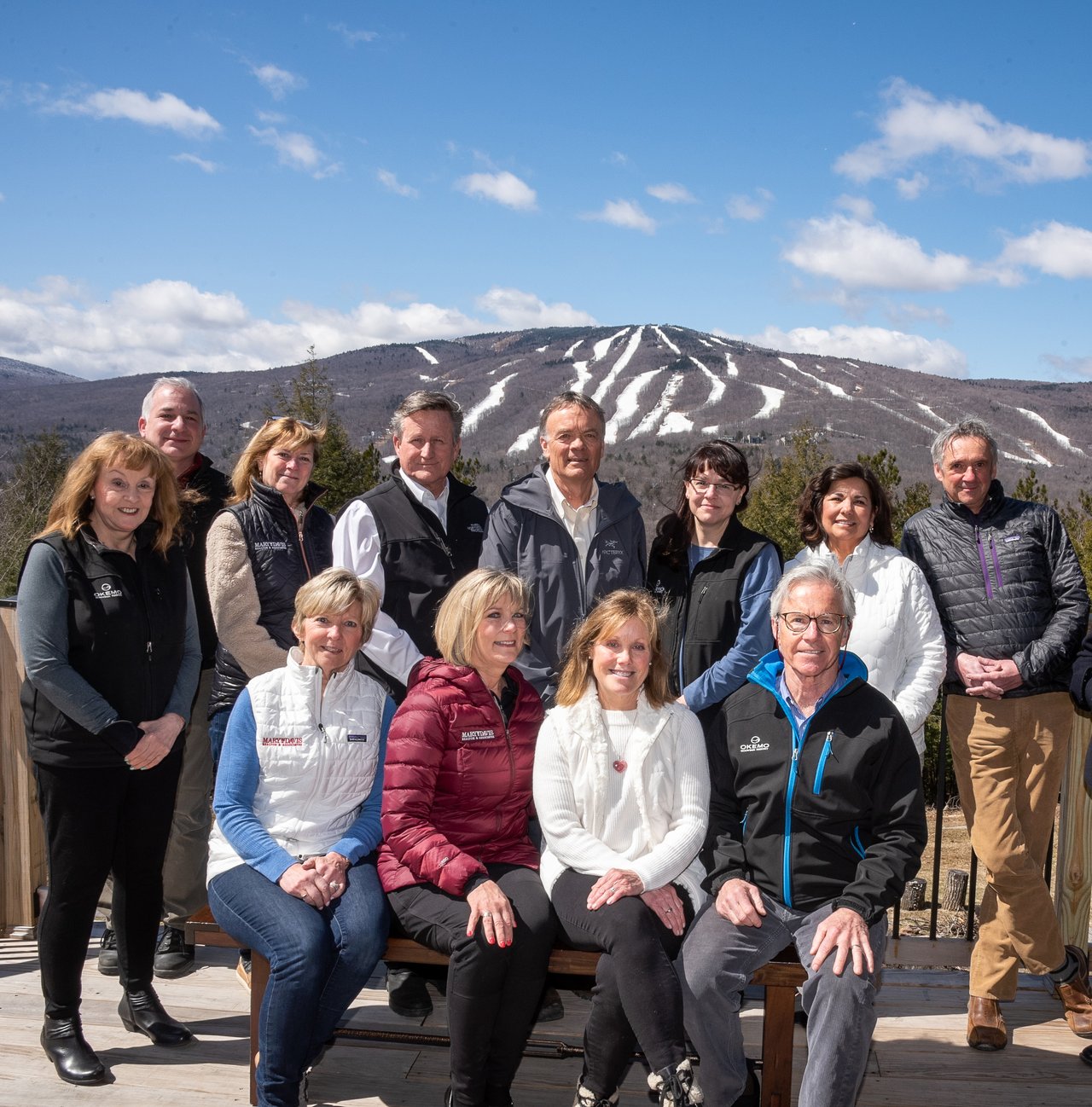
We are the Okemo Valley's leading real estate source. Our talented sales team is knowledgeable about the local real estate market. We take great pride in working closely with buyers and sellers - providing a wealth of knowledge, guidance and support throughout the process.

Okemo Valley Real Estate


We pride ourselves in providing personalized solutions that bring our clients closer to their dream properties and enhance their long-term wealth. Contact us today to find out how we can be of assistance to you!

MARY W DAVIS REALTOR® & ASSOCIATES
213 Main St Ste 3 Ludlow VT 05149