You can feel it the moment the lifts start spinning and the leaves begin to turn: seasonality runs the Okemo Valley market. If you are thinking about buying, selling, or renting in the 05149 area, the calendar can shape your price, your days on market, and even your inspection checklist. The good news is that you can use these cycles to your advantage. In this guide, you will learn how each season affects demand, marketing, inspections, rental income, and closing logistics so you can plan with confidence. Let’s dive in.
Why timing matters in 05149
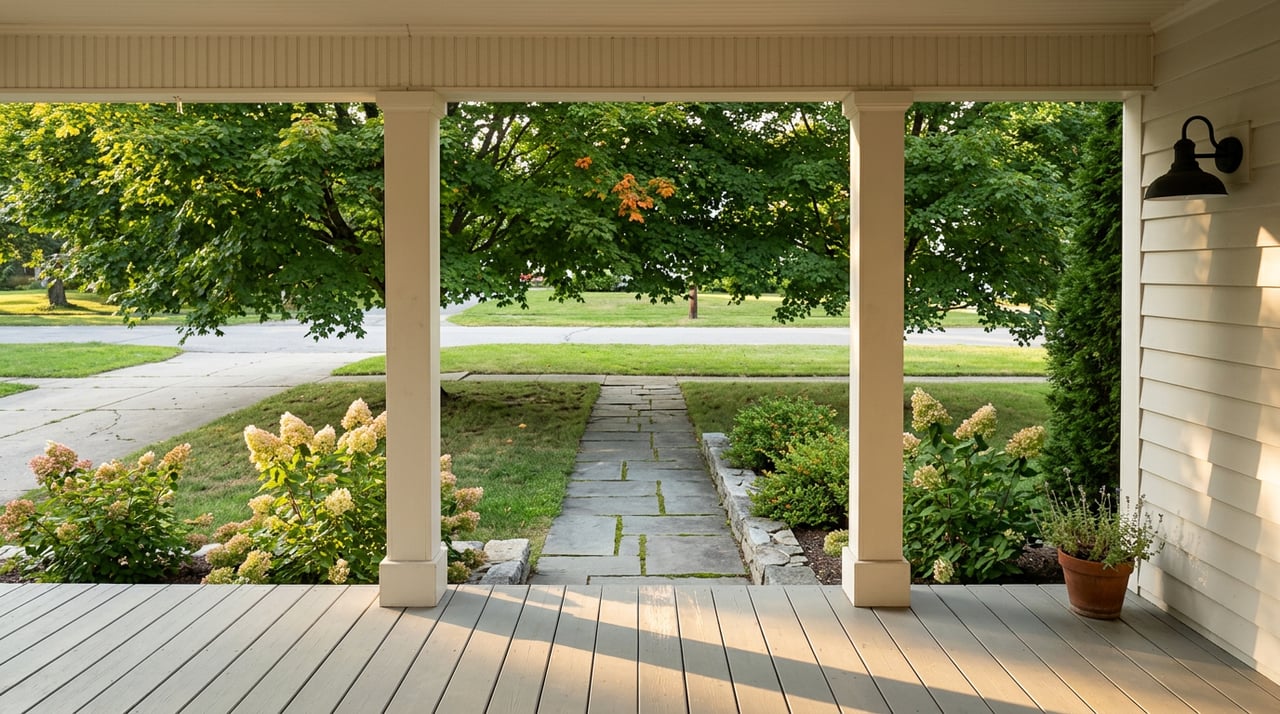
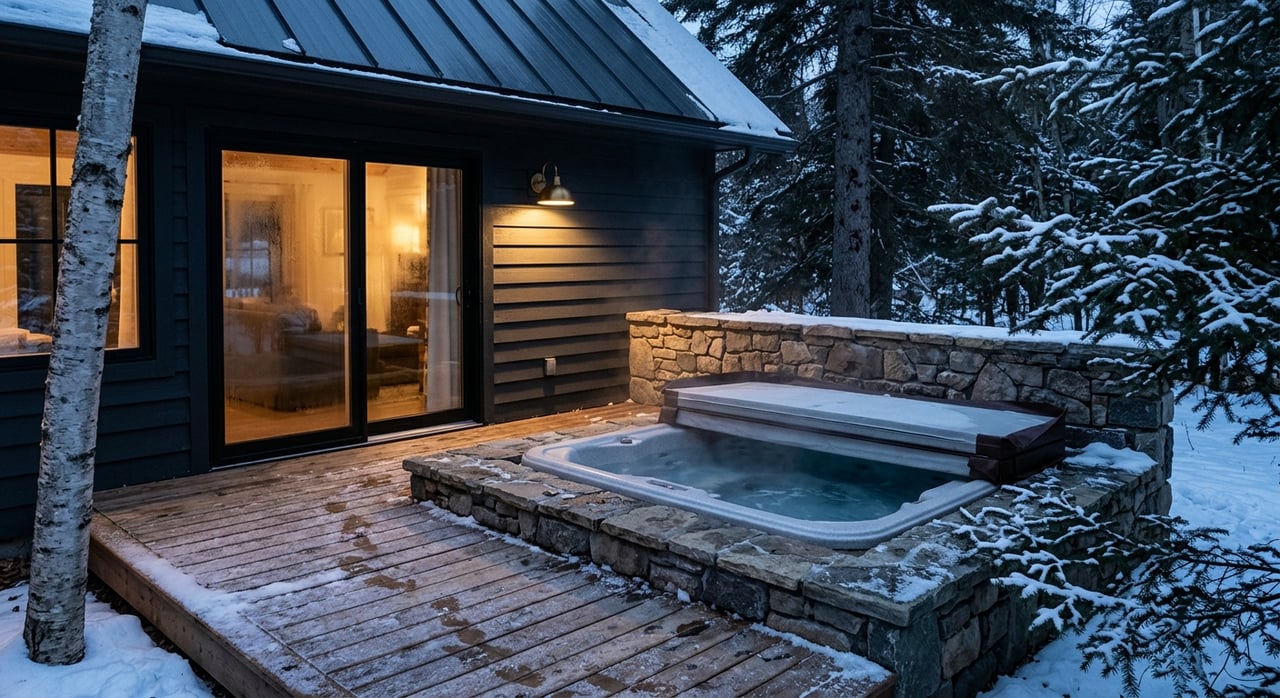
Okemo Valley draws year‑round interest, but the resort calendar and Vermont’s four seasons create clear patterns. Winter brings concentrated demand from ski buyers and short‑term rental guests. Spring and early summer typically see more listings and broader buyer activity. Autumn’s foliage season creates a secondary bump for second‑home shoppers and vacationers.
Understanding these rhythms helps you choose when to list, when to tour, and how to prepare a property for the conditions you will face.
Resort-driven cycles
Okemo Mountain Resort’s operating season pulls in motivated winter buyers who value proximity and ski access. Investors also shop during winter to capture peak short‑term rental income. In many years, autumn leaf season and select spring events act as mini‑peaks that support showings and rental demand.
Classic spring and summer wave
Like most New England markets, inventory in the Okemo area often rises in spring and early summer as sellers take advantage of curb appeal and easier touring conditions. More listings can mean more choice, but also more competition for sellers. Families who plan around the school calendar tend to be more active in these months.
How each season shifts the market
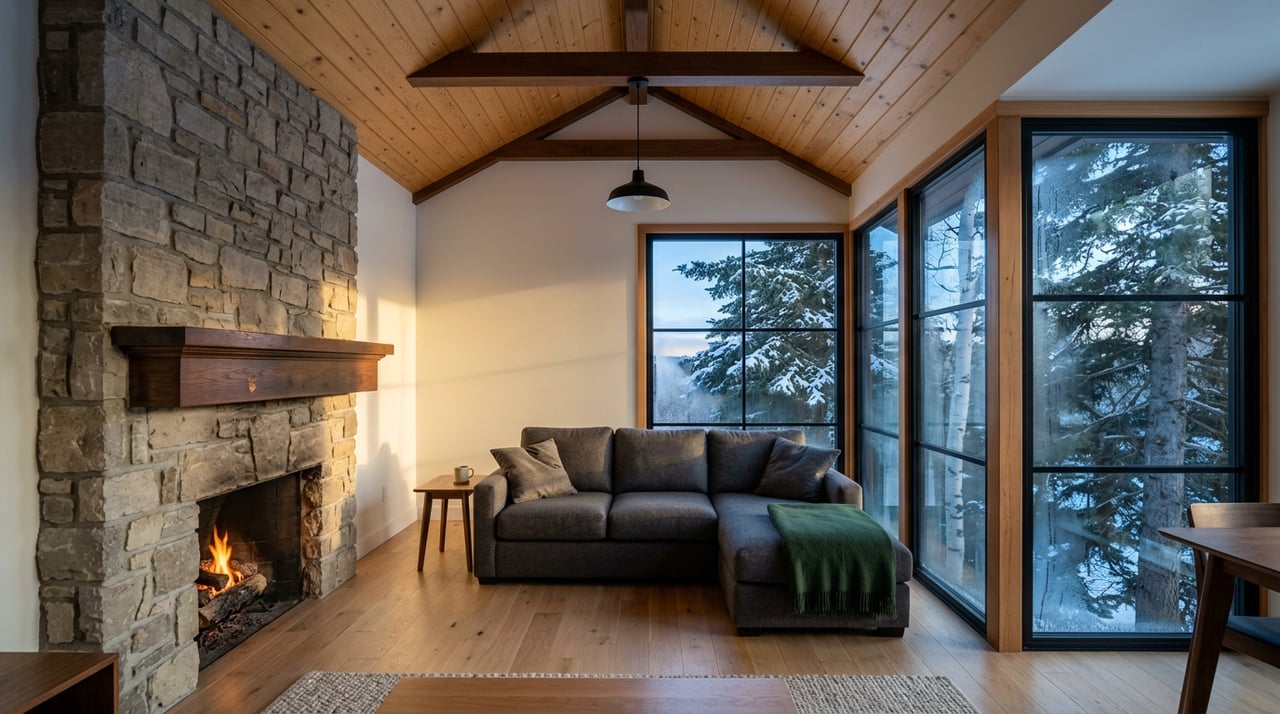
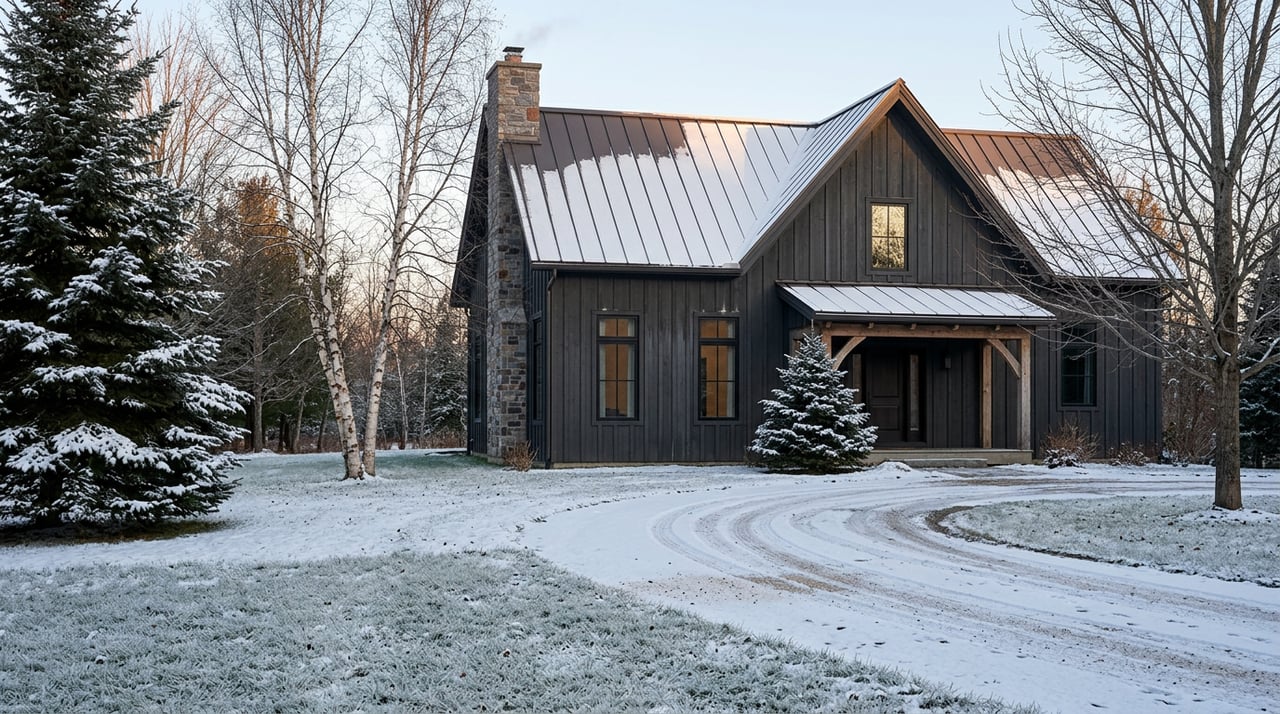
Winter: Focused demand, careful logistics
- Buyers you will meet: ski‑lifestyle purchasers, investors, and highly motivated relocators.
- Supply: often lower, which can reduce competition for sellers who list now.
- Pricing: winter demand for ski‑access locations can be strong. Professional photos, virtual tours, and clear access for showings are essential.
- Logistics: snow and ice affect inspections, appraisals, and moving trucks. Plan for plowed access and safe walkways.
Spring: Fresh listings and melt checks
- Buyers you will meet: a wide mix, including local and regional buyers who prefer touring in good weather.
- Supply: new listings typically increase. Strong presentation matters to stand out.
- Inspections: spring thaw can reveal drainage patterns, puddling, and septic issues that may be hidden in winter.
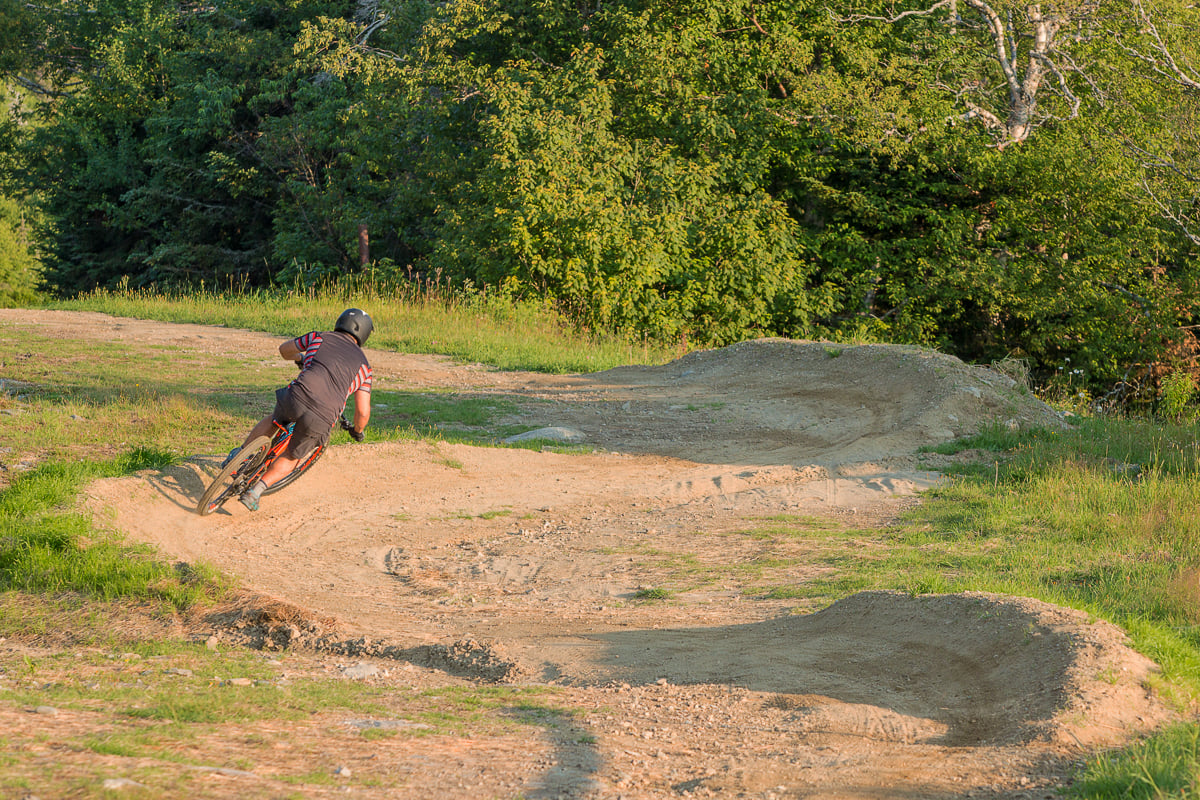
Summer: Broad audience, easy touring
- Buyers you will meet: full‑time movers, lake and acreage shoppers, and second‑home buyers who want time to settle before winter.
- Supply and showings: access is simple, landscaping shines, and outdoor features are easy to evaluate.
- Holding costs: plan for lawn care, exterior paint touch‑ups, and septic maintenance.
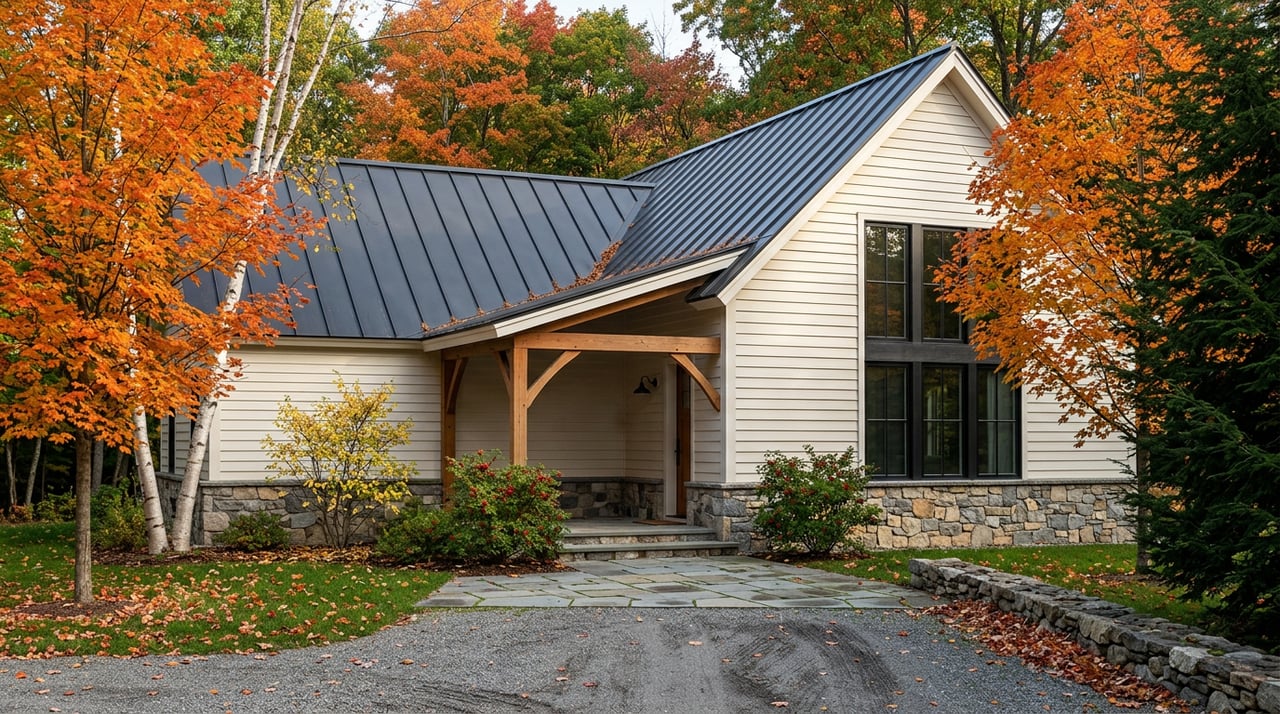
Fall: Foliage momentum and winter prep
- Buyers you will meet: second‑home shoppers preparing for winter use and those drawn by foliage visits.
- Marketing: highlight winter‑readiness, proximity to the mountain, and late‑season upgrades.
- Maintenance: clean gutters, inspect roofs, and service heating systems before snow.
Buyers: When to shop and what to watch
- If you want ski access: touring in winter helps you feel drive times and snow management. Expect fewer listings but more focused choices near the resort.
- If you value selection: spring and early summer often bring the widest variety of homes and condos.
- If rental income matters: study typical short‑term rental peaks. Winter and foliage months are strong periods in resort areas with quieter shoulder months.
- Inspections by season: in winter, add extra attention to heating systems, insulation, and plumbing. In spring, review drainage, foundation grading, and septic performance.
Sellers: Best timing by goal
- Maximize exposure: spring and early summer can deliver a larger buyer pool and attractive curb appeal.
- Target ski buyers: a well‑prepared winter listing can reach motivated purchasers, especially near trails and shuttle routes. Use high‑quality media and clear access plans.
- Capture foliage traffic: a fall launch can attract second‑home buyers who want a property ready for the coming winter.
Short‑term rentals: Seasonality and strategy
Short‑term rentals in the Okemo area typically earn their highest occupancy and rates during winter ski season and autumn foliage. Shoulder months vary by property type and location. If you plan to buy or sell with rental income in mind, consider:
- Occupancy curve: model revenue using strong winter and fall periods and conservative assumptions for off‑season.
- Property fit: condos near resort amenities often book more consistently in peak months. Single‑family homes can appeal to larger groups with parking and gear storage.
- Rules and taxes: confirm town and HOA policies on short‑term rentals and understand lodging tax requirements before you buy or list.
Inspections and maintenance by season
A smart plan reduces surprises and speeds up closings.
Winter checklist
- Verify heating system capacity and service history.
- Check insulation, attic ventilation, and signs of ice dams.
- Inspect for frozen pipe risks and confirm heat tape or shut‑off locations.
- Ensure safe access for showings and inspections, including plowed driveways and sanded steps.
Spring checklist
- Walk the perimeter during or after a rain to spot drainage issues.
- Look for foundation seepage, sump performance, and grading needs.
- Check septic function and leach field areas after the thaw.
- Assess roofs and siding for winter wear.
Summer checklist
- Refresh exterior paint, stain decks, and service windows and screens.
- Trim trees and manage vegetation near structures.
- Test cooling, ventilation, and fans for interior comfort at showings.
Fall checklist
- Clean gutters and downspouts; confirm splash blocks and drain extensions.
- Service boilers, furnaces, and chimneys before first cold snap.
- Review snow load plans, roof rakes, and vendor schedules for winter.
Insurance, flood risk, and disclosures
Spring melt in New England river valleys can raise flood concerns. When you evaluate a property, check its flood zone status, review historical water events, and talk with your insurer about coverage and typical cold‑weather claims such as ice dams or frozen pipes. Accurate disclosures and proactive maintenance reduce risk for both buyers and sellers.
Closing and moving logistics
Seasonal rhythms affect more than showings. Holiday weeks and peak resort periods can slow appraisals and contractor availability. Winter closings require extra planning for access, utility transfers, and safe move‑in conditions. Build a timeline that accounts for the season so your closing day runs smoothly.
Strategy by property type
- Ski‑area and trailside condos: winter and fall can attract highly qualified buyers who value convenience and rental potential. Spotlight HOA services, reserve funds, and winter operations.
- Single‑family homes: spring and summer enhance curb appeal and make inspections easier. Emphasize maintenance, storage, and access during winter months.
- Land and acreage: plan for survey and soil testing during frost‑free periods. Seasonal roads and site access can limit winter showings.
Your next steps
Seasonality will always shape the Okemo Valley, but a clear plan lets you use it to your advantage. Whether you want to list this spring, capture winter rental demand, or find the right week to tour, local guidance makes the difference. If you are weighing options in the 05149 area or nearby towns, we are here to help you time it right.
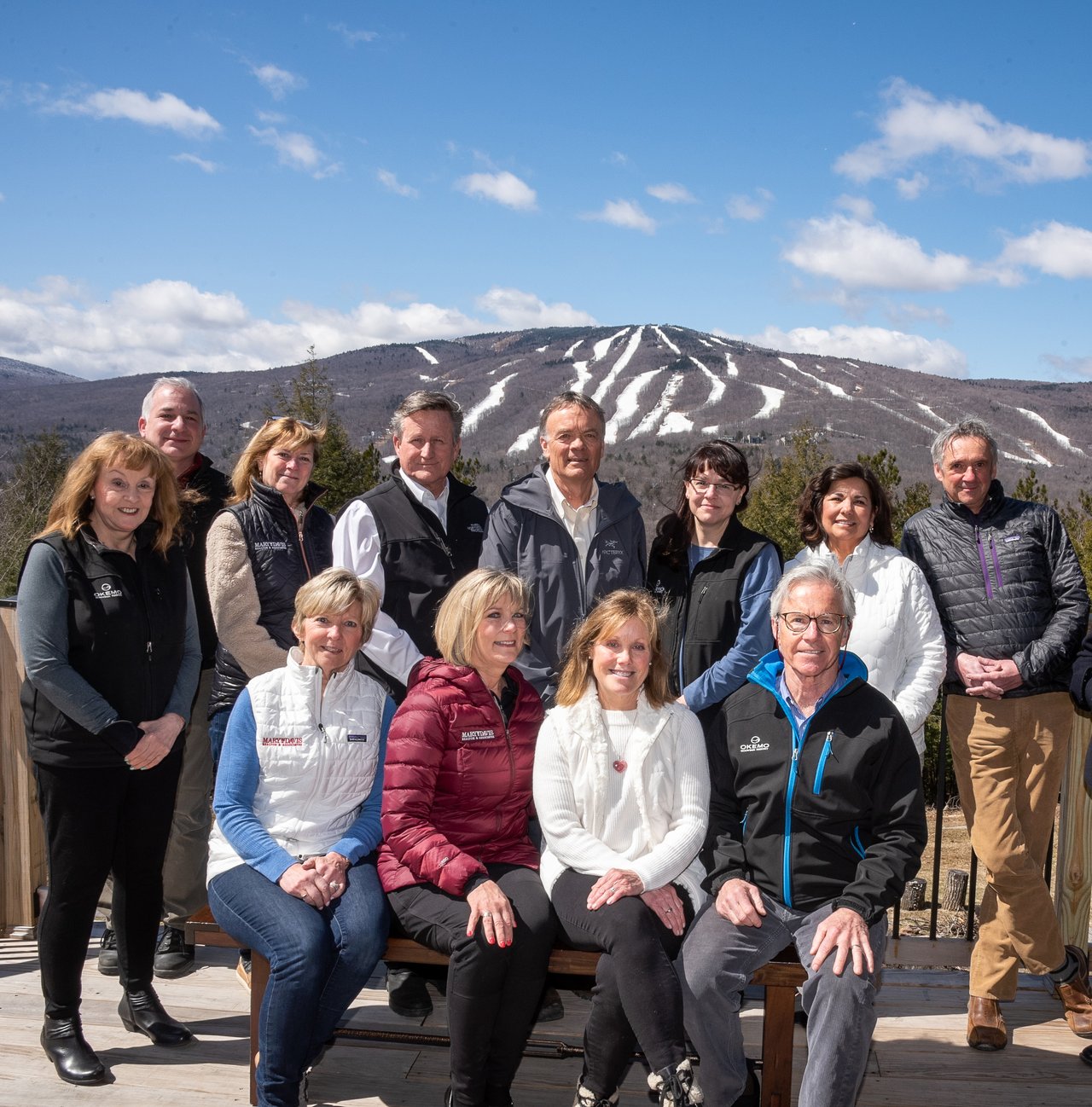
Ready to align your move with the market? Connect with the local team at Mary W Davis Realtor® & Associates to map out your best season.
FAQs
What is the best time to list a home in the Okemo Valley?
- Spring and early summer offer broader buyer traffic, while winter and fall can be effective for reaching motivated ski‑area buyers; the best choice depends on your property type and goals.
How does ski season affect trailside condo pricing?
- Winter demand from ski‑focused buyers and renters can support strong interest in trailside locations, especially when listings are scarce and amenities are winter‑ready.
Is winter a good time to buy in 05149?
- Yes, if you want to feel winter access and snow management firsthand; inventory can be tighter, but buyers who shop in winter are often decisive, and sellers may be motivated.
Which inspections matter most if I buy during winter?
- Prioritize heating systems, plumbing freeze protection, insulation and ventilation, roof and snow load conditions, chimney safety, and any limited‑access items to revisit after the thaw.
What should I expect from short‑term rental income near Okemo?
- Many properties see peak occupancy and rates in winter and during fall foliage, with variable shoulder seasons; model conservatively and confirm local and HOA rules before you buy.
Are there local rules for short‑term rentals in Windsor County towns?
- Policies can vary by town and HOA; before listing or purchasing, verify current registration, lodging tax requirements, and any zoning limits with local officials.
How do Vermont taxes affect primary vs. second homes?
- Vermont uses municipal property taxes and has homestead programs for primary residences; review your situation with the state tax resources and your advisor before closing.