
March 26, 2026
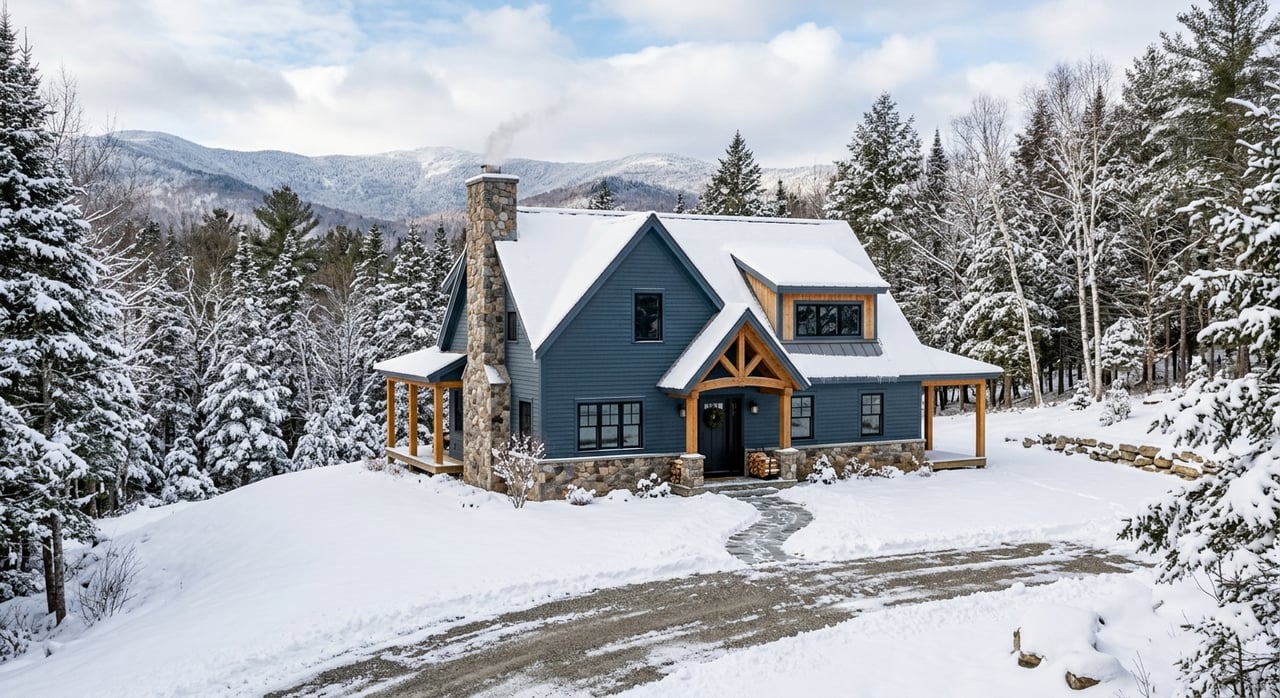
Craving more space and privacy without giving up first chair at Okemo? You’re not alone. Many buyers in 05149 want land, year‑round practicality, and a quick, low‑stress drive to the lifts. In this guide, you’ll learn how off‑mountain living near Okemo works, what home styles and lot sizes to expect, how costs compare to slopeside condos, and what to check before you make an offer. Let’s dive in.
Okemo Mountain Resort sits right in Ludlow. That central location makes “off‑mountain, easy access” a practical reality. The resort publishes guest shuttle routes that connect base areas and village stops, and it operates free parking at Jackson Gore with shuttle service on many weekends and holidays. If you’re near a published village stop or only a short drive from the base, you can keep your commute quick without living trailside. You can view published routes and parking details on Okemo’s official Getting Here page.
In real listings, you’ll often see “5–15 minutes to Okemo.” Actual time depends on the neighborhood, whether your route uses state or town roads, and current winter conditions. Many buyers choose a home in or near the village to use shuttle stops on busy days, then drive directly to Jackson Gore or the Clock Tower base when traffic is light. The takeaway is simple: you can live off the mountain and still reach the lifts quickly, especially if you plan your route and timing.
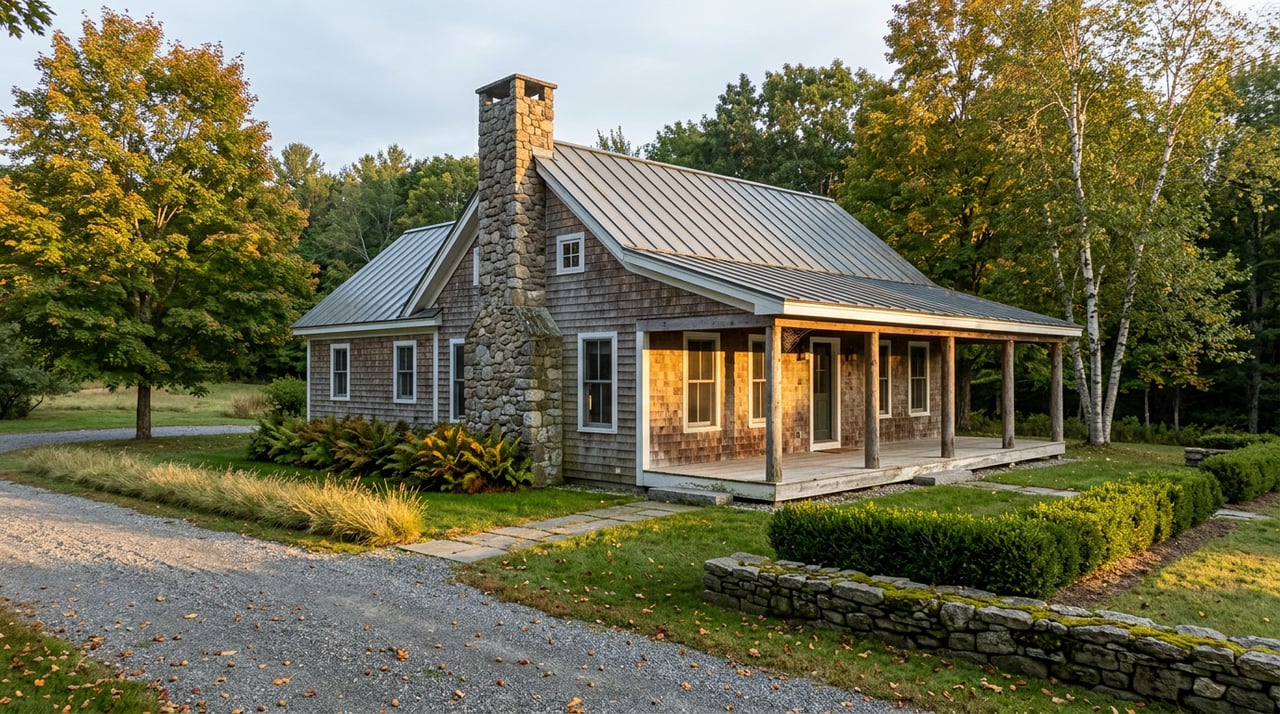
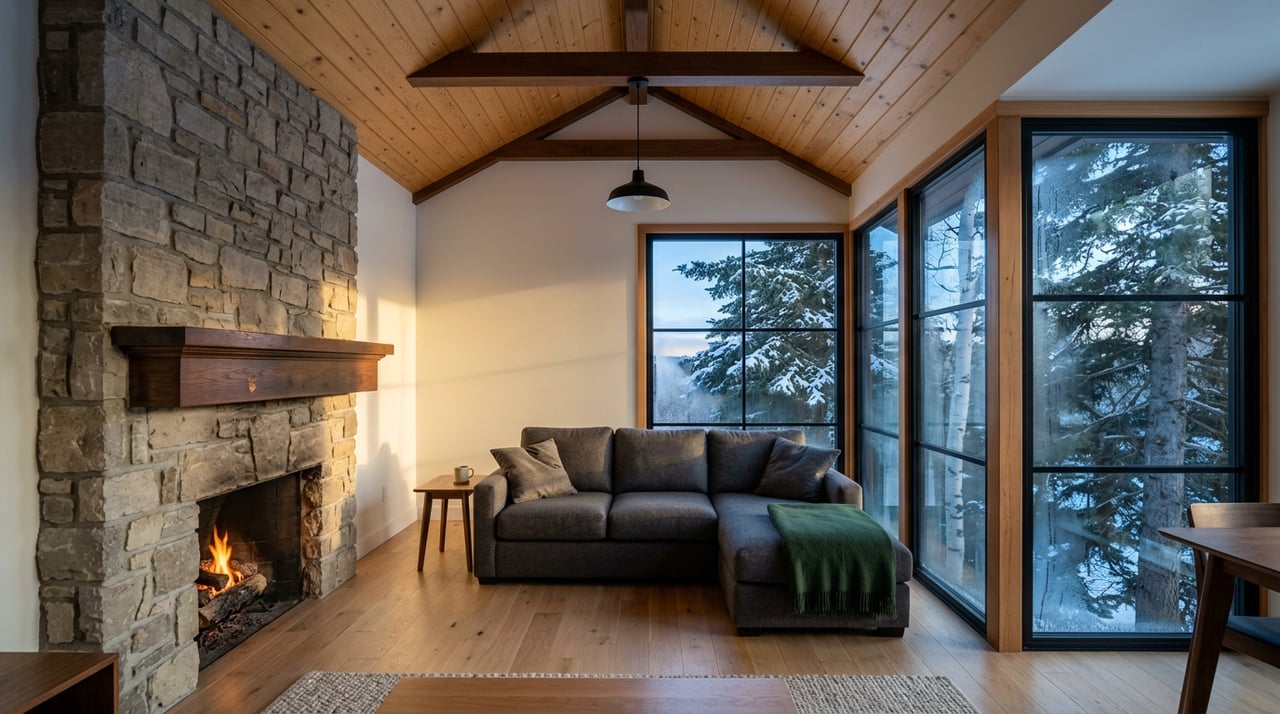
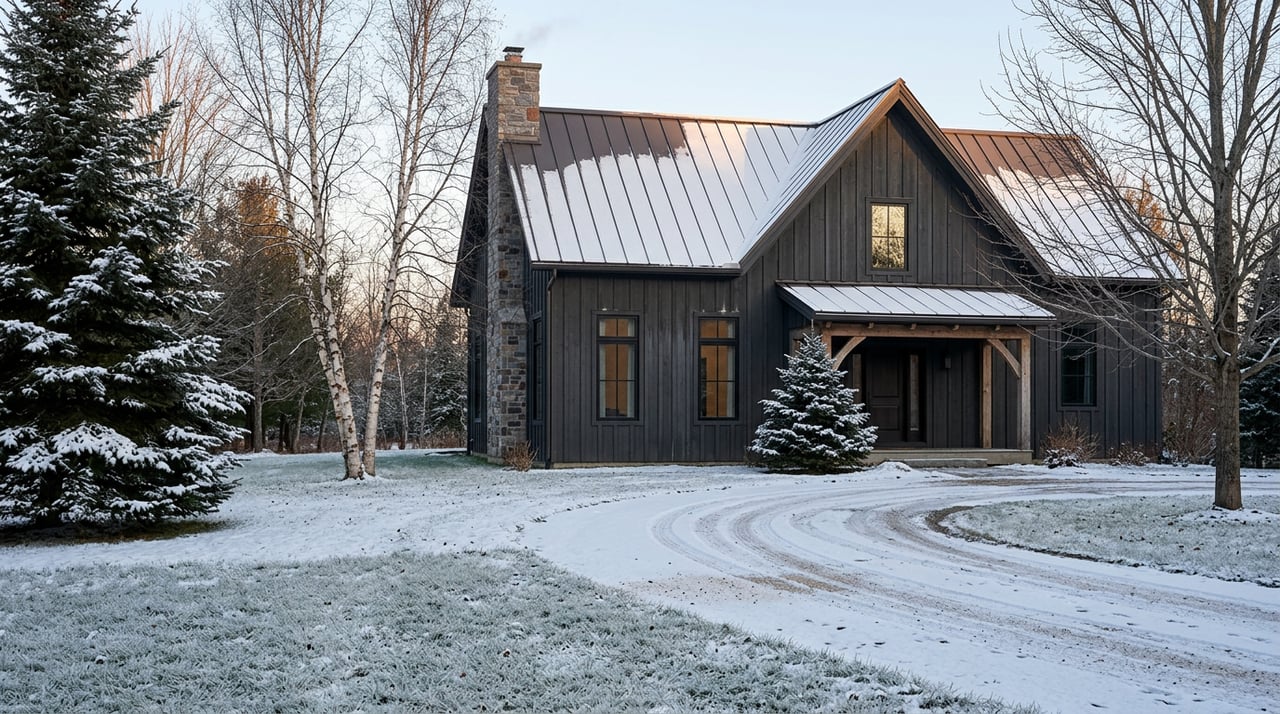
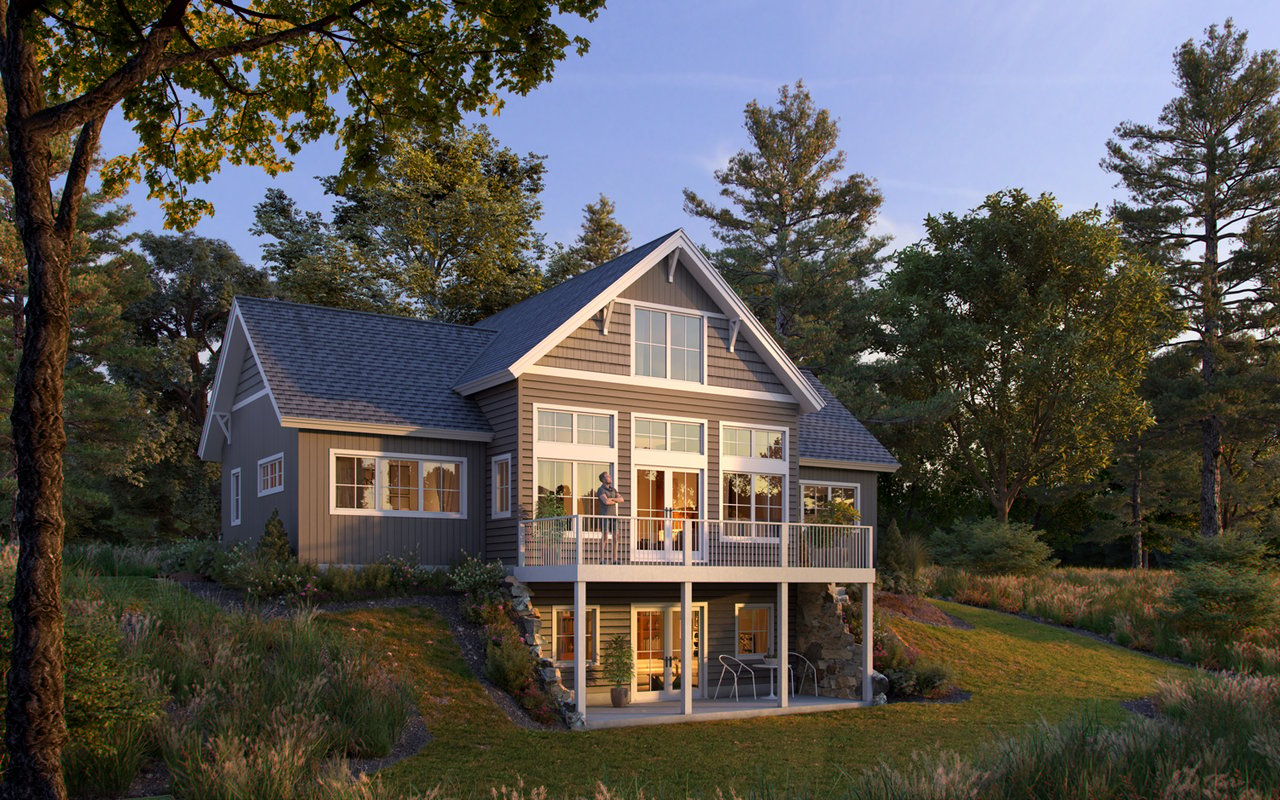
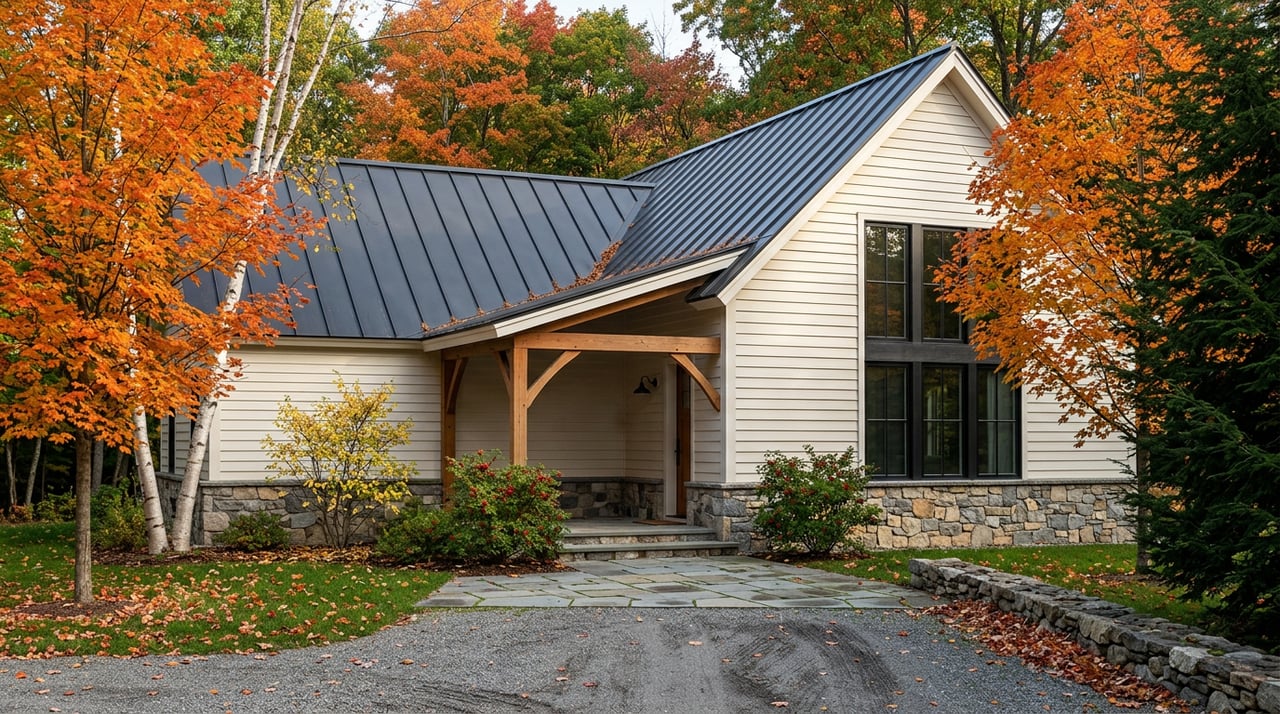
You’ll see a wide mix of styles that fit mountain living. Classic village homes include Cape and vernacular styles, plus ranch and raised‑ranch layouts. On larger parcels, you’ll find timberframe and post‑and‑beam builds with wood and stone details, generous mudrooms, and garages sized for winter gear, sleds, and storage. Contemporary homes also appear on acreage with view‑oriented decks and open main levels.
Lot sizes vary by setting. In‑town and village lots commonly range from roughly a quarter acre to about an acre, which supports walkable access to services while keeping a manageable yard. Outside the village, many single‑family homes sit on 1–10 acres for added privacy, with larger 10‑plus‑acre parcels available but less common. If you want elbow room for gardens, dogs, or a future barn, you’ll find options near Ludlow that balance land with quick access to the resort.
Utilities are a key part of your checklist. Many off‑mountain homes use private wells and onsite septic systems. Some village properties connect to municipal water and sewer. For rural parcels and single‑family homes, expect to see Vermont wastewater permits or references to “state‑approved building lots.” If you’re evaluating a property with a private system, review permits and inspection records before you finalize your offer.
Your day‑to‑day access depends on the road network that serves your home. Vermont’s main corridors, such as VT‑103 and VT‑100, are plowed by the Vermont Agency of Transportation (VTrans). Their winter plan focuses on “safe roads at safe speeds,” which means not every road will be bare during a storm. Town roads are handled by the local highway department, and private roads or driveways are the owner’s responsibility. Knowing who maintains each segment of your route helps you plan reliably.
Shuttle access is a useful backup. Okemo’s published routes include multiple Ludlow village stops, like Depot/Main Street, United Church, and the Meadow lot. If crowds or weather make you want to park once and ride, living near a published stop can make your off‑mountain home feel functionally like a near‑mountain address.
As of January 2026, the 05149 median home price sits around 544,500 dollars. That is a broad, zip‑level figure that mixes village homes, off‑mountain single‑family properties, and on‑mountain condos. The right comparison for you will depend on the specific home, HOA, and services each property includes.
Slopeside condos typically emphasize access and convenience. Many associations include plowing, trash, and some utilities, and certain buildings offer amenities such as pools and spas. In some cases, heat or hot water may be part of the monthly fee. Association costs vary widely depending on the building and ownership structure, so it is essential to confirm exactly what is included and whether there are recent or upcoming special assessments.
Off‑mountain single‑family homes trade HOA fees for ownership control. You usually handle driveway plowing, well and septic maintenance, and fuel deliveries. Many buyers prefer this model for the extra space, privacy, garage capacity, and flexibility it can offer year‑round.
Here is a simple way to frame your analysis:
The bottom line: both options can land near a similar total monthly carry once you include services. The difference is how and when you pay for them, and the lifestyle each one supports.
Use this quick list as you evaluate properties:
Protect your purchase with documents and confirmations up front:
Start with your daily rhythm. If you want to walk to coffee or a shuttle stop, focus on village‑adjacent streets and smaller lots. If your priority is privacy and room for a workshop, look just outside town on 1–10 acre parcels with a straightforward driveway and reliable plow service.
Then map your winter plan. Identify your primary route to Jackson Gore or the Clock Tower base and note whether it follows a state or town road. Ask your agent to confirm maintenance responsibility and typical timing for each segment. A clear plan makes even a 10‑minute commute feel effortless on powder days.
Choosing an off‑mountain home near Okemo is about more than square footage. It is about the right road, the right driveway, and a layout that works in every season. Our team pairs decades of Okemo Valley knowledge with modern, high‑touch service to help you weigh tradeoffs and land the home that fits your lifestyle. Ready to explore options and compare costs one‑to‑one? Talk to an Okemo Real Estate expert at Mary W Davis Realtor® & Associates.
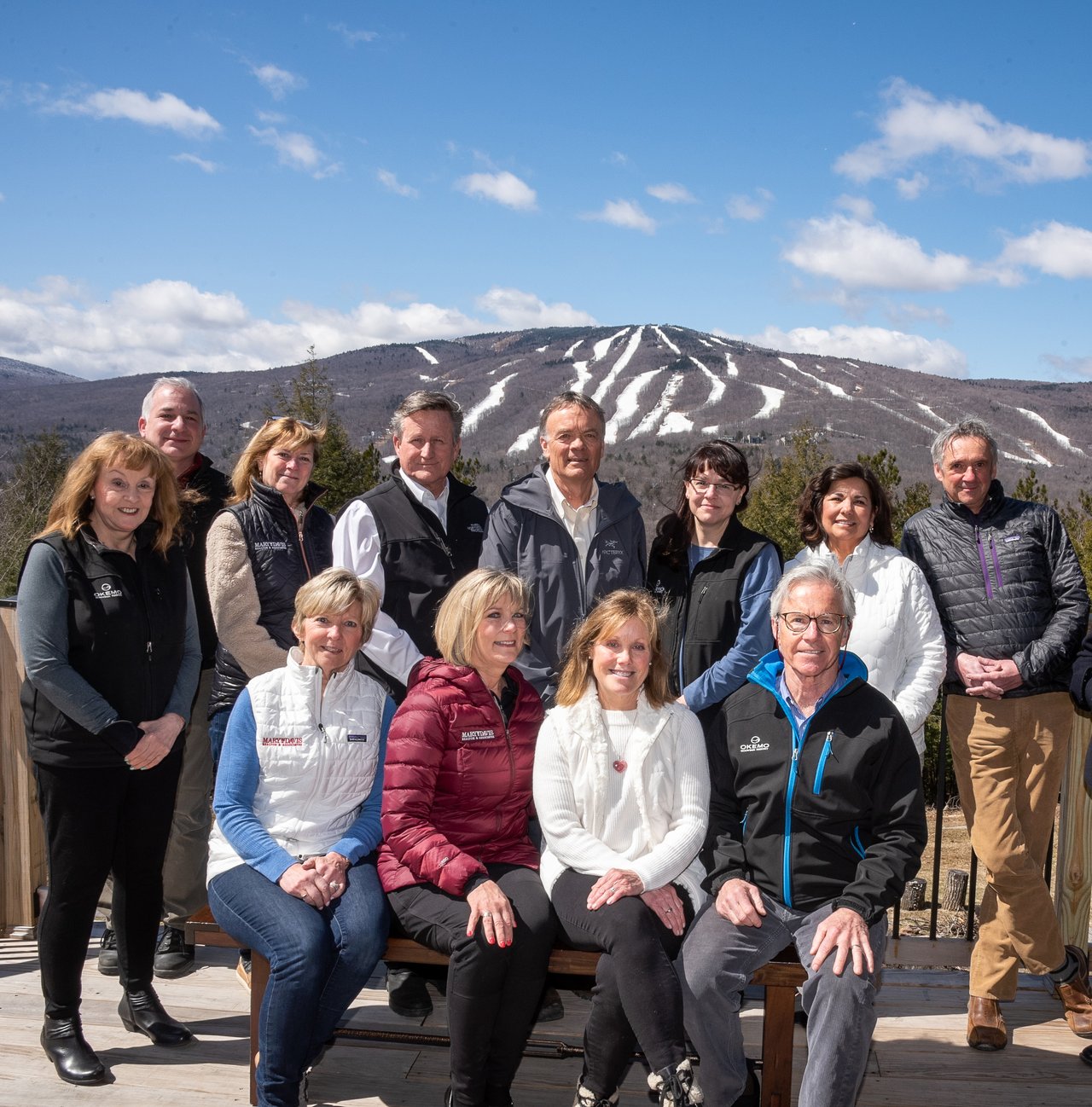
We are the Okemo Valley's leading real estate source. Our talented sales team is knowledgeable about the local real estate market. We take great pride in working closely with buyers and sellers - providing a wealth of knowledge, guidance and support throughout the process.
Okemo Valley Real Estate
We pride ourselves in providing personalized solutions that bring our clients closer to their dream properties and enhance their long-term wealth. Contact us today to find out how we can be of assistance to you!

MARY W DAVIS REALTOR® & ASSOCIATES
213 Main St Ste 3 Ludlow VT 05149